What is Your Sect?
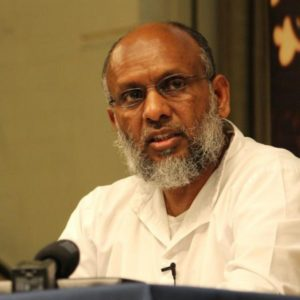
Tonight marks the first night of Ramadan 1446 AH. In a hotel in Central London, I delivered an explanation of a few verses from Surah As-Saffat. The audience comprised individuals from all walks of life and various sects. They listened attentively to the lesson and asked numerous questions, to which I tried to provide satisfactory answers.
After the lesson, a private discussion took place for a short while. Among those present was a Sufi Shaykh along with his followers. The Shaykh embraced me and expressed his love for the Nadwis, as he believed they possessed broad-mindedness and open-heartedness.
The Shaykh and his followers posed several questions, which essentially boiled down to this: Generally, people associate with those who share their sectarian beliefs, attend their programs, and feel comfortable among them. However, you visit gatherings of all sects and show respect to everyone—how do you manage that?
I asked them to clarify their question further. They explained, “Tonight, you delivered a lesson among a group of Sufis, who are close to the Barelvi school of thought. Yet, you also criticize Sufis and Barelvis. What surprises us even more is that you pray in Barelvi mosques, following Barelvi Imams.”
An engineer among them inquired, “You maintain relationships with Ahl-e-Hadith and Salafis, you have friendships with Deobandis, you acknowledge the truth in Jamaat-e-Islami, and you even attend Tablighi Jamaat gatherings. Why this contradiction?”
One of the Barelvi brothers who organizes my lessons addressed the attendees, saying, “We have been inviting Shaykh Akram for the past twenty years. Our family has ties with his family. His relationships with people from all backgrounds are sincere—there is no political motive behind it, nor is there any element of religious syncretism.”
The Sufi Shaykh then turned to me and said, “We respect you, but we would like to hear from you directly: What is the secret behind your sectarian inclusivity?”
I replied, “What I do is a result of the training I received from my teachers and the broad-mindedness instilled by the education at Nadwa. It boils down to two key principles.”
The Shaykh requested, “Please explain these two principles to us so that we may also develop such openness.”
I explained, “I distinguish between religion and opinion. Religion consists of the clear teachings of Allah and His Messenger, while opinion is the interpretation of those teachings. For example, how prayer is to be performed is a matter of religion. However, the classification of certain aspects as obligatory, recommended, disliked, or permissible falls into the realm of opinion. Sectarian differences arise from differences in opinion, not in the fundamentals of religion.”
“I also think, reflect, and form opinions on various issues. When explaining my own views, I sometimes critique opposing opinions—whether they belong to Deobandis, Barelvis, Salafis, Jamaat-e-Islami, or Tablighi Jamaat.”
“However, when I interact with Muslims, I do so on the basis of religion, not opinion. I hold love for anyone who believes in Allah and His Messenger, even if they do not accept my teachers. I consider anyone who honors the Qur’an and Hadith as close to me, even if they oppose my alma mater, Nadwa.”
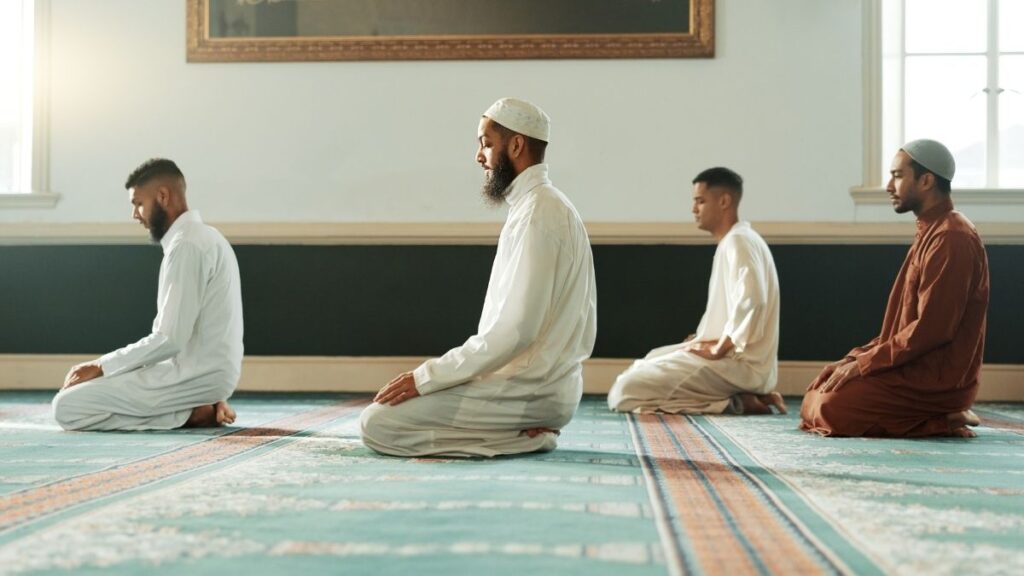
“When I see someone performing prayer, I feel love in my heart for them—whether they follow the method of Imam Abu Hanifa, Imam Malik, Imam Shafi’i, or the Ahl-e-Hadith.”
One individual asked, “What is your opinion on Taraweeh?”
I responded, “My view is that Taraweeh consists of twenty rak’ahs, and I have written an article on this topic. However, I respect other opinions. If someone prays eight, four, or even two rak’ahs, I have love for them—because they are still performing prayer. In fact, even if someone only prays Isha and Fajr in congregation and does not pray Taraweeh at all, in my view, they are still on the right path and will enter Paradise.”
A flood of questions followed. I said, “Tonight is a night of Ramadan. Answering every question in detail would take too long. Instead, let me share one key principle with you—after that, no more questions will be needed.”
The Shaykh eagerly said, “We are keen to hear it.”
I took a brief pause and then said, “Whenever I see someone who considers the Lord of the Worlds as his God, I feel love for him and count him among the party of Allah. Whenever I see someone who firmly believes in the obligation of obeying the Prophet ﷺ, his status rises in my eyes. And whenever I see someone performing prayer, he wins my heart. May Allah make us all among those who establish prayer.”
The Shaykh embraced me, and the attendees appreciated my words. The gathering concluded, and I set off back to Oxford.
Original source: View the original Telegram post.