Guidance for Muslims living as minorities


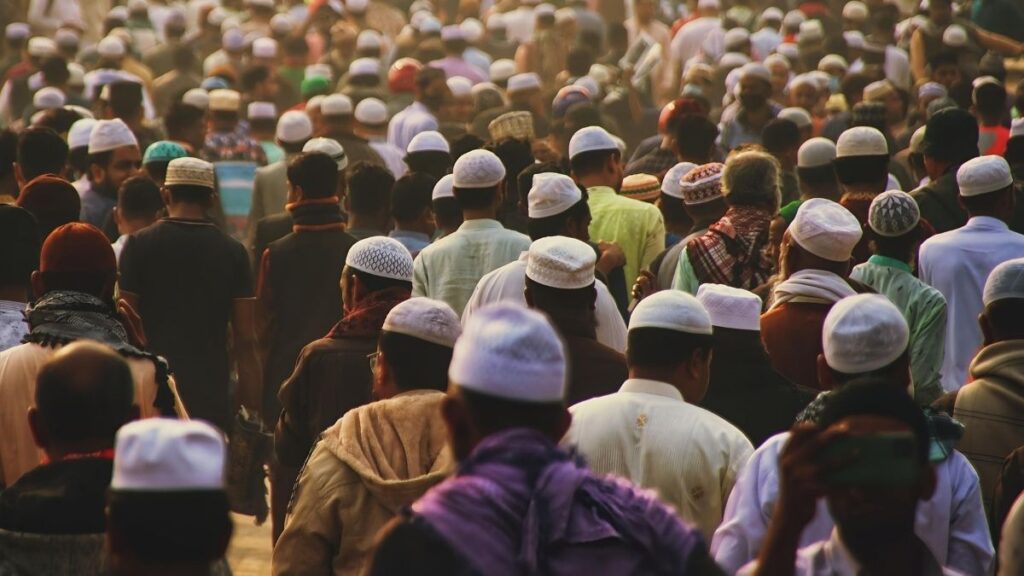
An academic recently asked me to reflect on the situation of Muslims who live as minorities and are exposed to systemic injustices, marginalization, and, in some cases, threats to their lives and properties. These circumstances can understandably lead to profound anxiety, fear, and a sense of helplessness. Yet it is crucial to recognize that losing hope constitutes a far greater threat than any external adversity. Despair, whether spiritual or social, erodes both individual and communal vitality. Those who experience oppression or marginalization should not succumb to passivity but instead adopt a proactive approach rooted in spiritual resilience, ethical excellence, and meaningful societal engagement.
Anchoring resilience in God
At the foundation of such resilience lies a deep and unwavering connection with God. This relationship can be nurtured through consistent worship, remembrance, and contemplation of the Qur’an. Regular performance of prayers and dhikr anchors the believer’s heart in divine awareness and provides psychological stability in the face of adversity. Beyond ritual practice, obedience and moral vigilance strengthen character and instill the confidence necessary to navigate challenging circumstances. Avoiding sins, cultivating virtuous habits, and aligning one’s life with divine guidance build clarity, self-respect, and the capacity for endurance. Reflection on Qur’anic teachings allows believers to perceive trials as part of a divinely ordained framework, while the narratives of past communities and the steadfastness of the Prophets offer both guidance and consolation. Such engagement fosters patience and trust in divine wisdom, creating a firm inner foundation that cannot be easily shaken by external threats.
Ethical excellence as quiet guidance
Faith alone, however, is insufficient without ethical conduct that visibly embodies the teachings of Islam. Muslims living as minorities are called to exemplify moral and ethical excellence in their daily lives. Honesty, humility, compassion, patience, and integrity are central to prophetic ethics, and consistent demonstration of these qualities manifests the spiritual and moral dimensions of faith in tangible ways. Ethical conduct serves as a quiet but powerful form of guidance; neighbours, colleagues, and friends often perceive the beauty of God’s principles more vividly through the consistent moral character of believers than through verbal instruction. Maintaining integrity and moral courage in the face of adversity signals that values are neither negotiable nor contingent upon social approval, reinforcing both personal dignity and communal pride. In this way, exemplary conduct not only strengthens faith but also fosters respect, understanding, and social cohesion across diverse communities.
Community service as purposeful action
Perhaps the most transformative element of resilience is active, sincere engagement in community service. Muslims must avoid passivity, translating their concern for justice and compassion into concrete, constructive action. Supporting the poor, elderly, disabled, and marginalized fosters social cohesion and addresses immediate needs while reinforcing a sense of purpose. Sincere service should transcend distinctions of religion, race, ethnicity, or language, demonstrating that faith motivates altruistic action rather than sectarian interest. Engagement in organized community initiatives, such as health drives, educational programs, environmental projects, and local development efforts, allows minorities to make a lasting, visible contribution. The impact of such service depends on consistency and heartfelt commitment; sporadic or performative acts are insufficient. By maintaining sustained, active involvement, individuals transform anxiety into purposeful outcomes that enhance both personal resilience and communal wellbeing. Active participation also conveys to wider society that Muslims are constructive, engaged citizens, capable of inspiring hope and fostering positive social change even in the face of adversity.
In conclusion, Muslims living as minorities confront profound challenges, including systemic injustice, marginalization, and threats to safety and livelihood. Yet despair is not a viable response. Hope, grounded in faith and expressed through constructive action, is essential for personal and communal survival. By cultivating a strong relationship with God, embodying ethical excellence, and engaging actively and sincerely in community service, Muslims can transform fear and anxiety into purposeful action. Such practices nurture spiritual resilience, moral integrity, and social impact, demonstrating that even in the face of oppression, hope, agency, and principled engagement remain powerful forces for personal growth and societal transformation.