In the Dust of Hind: Scattered Dreams


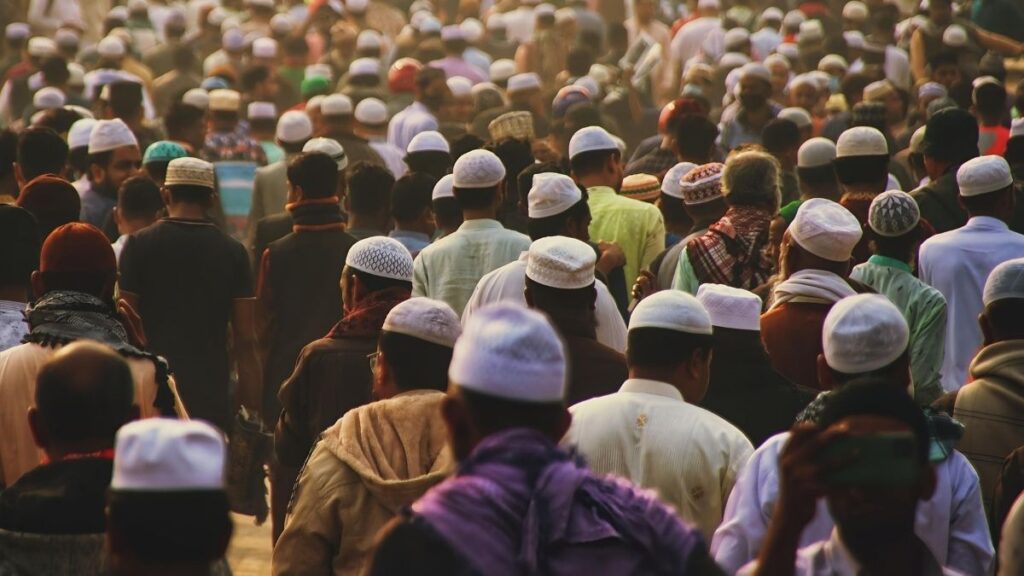
I still remember the life of my childhood village as vividly as if, in the twilight of evening, an old lamp were suddenly lit again. The earthy fragrance of the soil, the waving crops in the fields, the soft ringing of oxen bells, and the light of simplicity upon people’s faces — all of it still lives in the window of memory. Muslims and Hindus toiled together in the same fields, as though the land welcomed the footsteps of both with equal affection. Trade took place in the same marketplace, laughter echoed in the same gatherings, and evenings descended beneath the shade of the same banyan tree.
In the kabaddi grounds everyone ran together, wrestlers tested their strength in the arenas, and in the dust of the akharas the dreams of childhood were sown. When Eid arrived, Hindu neighbours would lovingly visit Muslim homes, eat sweet vermicelli, and join in the celebrations. On Diwali nights, lamps would also sparkle in the hands of Muslim children. The festivals were different, but the light of joy was shared. Between hearts there were no walls of religion; rather, the doors of humanity stood open. The atmosphere of the village was like a garden in which flowers of many colours spread their fragrance together in the same breeze.
Whenever I recall those days, I feel that the true spirit of India lay hidden in that simplicity and affection. If there was one thing that always bound the people of this land together, it was their shared humanity. The languages were different, the races varied, and the forms of worship distinct — yet the heartbeat of their hearts was the same. Love, compassion, respect, hospitality, and the willingness to share one another’s joys and sorrows were the invisible threads that wove this vast nation into a beautiful tapestry.
India has always been a cradle of many civilisations, languages, and cultures. The bells of temples, the adhans of mosques, the silent prayers of churches, and the spiritual hymns of gurdwaras have echoed through the atmosphere of this land for centuries. The illuminated evenings along the Ganges, the historic ambience of Ajmer and Nizamuddin, the peaceful mornings of Amritsar, and the ancient temples of Kerala — all are symbols of India’s colourful civilisation, where people walking different paths remain connected to the same soil. The beauty of this land lies precisely in this diversity, where despite differences, mutual respect and humanity endured.
Yet the storms of time also cast dust upon this mirror. When a few seeds of hatred fell into the earth, thorns of suspicion began to grow in some hearts. The dreams that once flourished in the rain of love began, here and there, to wither beneath the harsh sunlight of fear and uncertainty. But the truth is that hatred is not the true nature of this land. Even today, the majority of Indians cherish peace, honour love, and regard brotherhood as the foundation of life. In the heart of the ordinary person still lives the same desire: that their children may live in peace, their neighbours remain safe, and their homeland stay filled with love.
Difference is part of human nature. If every tree were identical, the forest would lose its soul; if a garden held flowers of only one colour, the beauty of spring would diminish. In the same way, differences of religion, language, and culture are not enmity but the richness of life itself. India’s beauty too lies in this diversity. Every belief, every language, and every culture is a different flower in this garden, and each flower adorns it with its own fragrance.
To transform disagreement into hatred is like using the flame of a lamp not to illuminate one’s home, but to burn it down. Tolerance does not merely mean silently enduring another person; true tolerance means respecting another’s right to differ. When people honour the thoughts of others, society emerges from the darkness of hatred into the light of dialogue.
Undoubtedly, hatred has found a place in some hearts. But hatred too is a disease, and every disease has a cure. The cure for hatred is not more hatred, but love, patience, and dialogue. If there is darkness in someone’s heart, placing another darkness before it will not create light. Darkness is dispelled only by a lamp. Likewise, distances between hearts are removed through respect, noble character, and love.
Instead of turning away from such people, we must go closer to them. We must speak with them and try to understand their fears and anxieties. Perhaps a few sincere words of love may achieve what years of hatred could not. For the door of the human heart is not opened by the sword, but by sincerity.
Even today, in some village of India, a child dreams of gaining an education and becoming the support of his parents. In a small home, a mother prays for a better future for her children. In the roughness of a labourer’s hands there still remains the moisture of hope. These dreams are neither Hindu, nor Muslim, nor Sikh, nor Christian. They are simply human dreams — and dreams have no religious borders.
There was a time when India was described as the symbol of the Ganga-Jamuni civilisation. People of different faiths shared in one another’s festivals, shared one another’s sorrows, and made love their common language. That atmosphere can return even today. Just as dry land becomes green again after rain, a gentle breeze of love can also sweep away the dust of hatred.
Even now, the dust of Hind silently gathers its scattered dreams. Within the soil of this land, the seeds of love are still alive. The only need is that we water them not with the fire of hatred, but with the waters of respect, tolerance, and brotherhood. If we give humanity a place higher than religion, language, and politics, then the day is not far when this land will once again shine with the lamps of love, and the garden of India will bloom once more with flowers of many colours.