
The religious commitments of Muslims and Christians converge on the figure of Jesus, yet diverge sharply on the significance of certain events in his life. Muslims must affirm what many educated Christians today regard as “myth”, the virgin birth and the miracles. Conversely, Muslims must deny what those same Christians insist is certainly historical: the… Continue reading Rethinking Jesus, Faith, and Historical Truth
Prayer
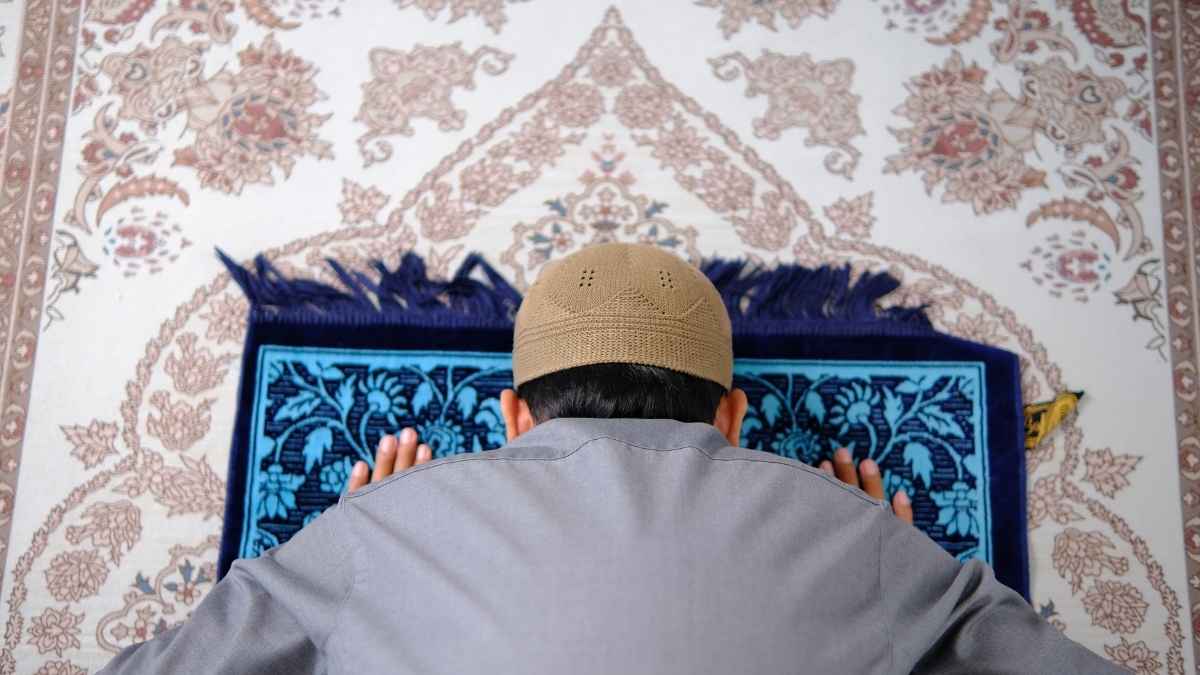
From morning till evening, and from evening till morning, we are occupied with countless worldly and religious matters—some necessary, others not. Yet if we compare them, one truth stands out, clear as the sun at noon: among all these matters, ṣalāh (the prayer) is the most exalted and majestic. Prayer is the very essence of… Continue reading Prayer
The Life of the Prophet: From the Passing of Abu Talib and Khadījah to the Hijrah

Introduction The years that followed the deaths of Khadījah bint Khuwaylid and Abū Ṭālib mark one of the most pivotal and spiritually profound periods in the life of the Prophet Muḥammad ﷺ. These events, which occurred approximately three years before the Hijrah, initiated a sequence of trials and divine gifts through which the Prophet’s absolute… Continue reading The Life of the Prophet: From the Passing of Abu Talib and Khadījah to the Hijrah
Releasing the Cage from the Heart of the Bird

Our esteemed friend, Dr Muhammad Salim, once recited a verse in Urdu that still echoes in my ears: “I released a bird from its cage, Now I must release the cage from its heart.” How profound and beautiful these lines are! You may open the door, but you cannot open the heart. You may shatter… Continue reading Releasing the Cage from the Heart of the Bird
Taqlīd (Blind Following)
بسم الله الرحمن الرحيم I once said to a distinguished Indian muftī and jurist that some authentic ḥadīths mention the performance of nafl prayers before ṣalāt al-maghrib, yet people neither pray at that time themselves nor allow others to do so. He replied, “We are Ḥanafīs, and in our school there is no nafl prayer… Continue reading Taqlīd (Blind Following)
Duʿāʾ

An Illustration There is a famous tale from Alf Laylah wa-Laylah (The Arabian Nights): “ʿAlī Bābā and the Forty Thieves.” We have all read or heard it many times. The main character is ʿAlī Bābā. One day, while returning home after cutting wood in the forest, he saw forty thieves approaching. Leaving his bundle of… Continue reading Duʿāʾ
Is There Blind Imitation in This Too?

You pray — yet your prayer is nothing but hollow movement, empty words devoid of humility and submission, without spirit and without light. You perform ḥajj — yet your pilgrimage is but a circumambulation of walls, not of the heart; a movement between pillars, not a striving between reason and soul. You perform acts of… Continue reading Is There Blind Imitation in This Too?
The Meaning of al-Shādh and al-Munkar

بسم الله الرحمن الرحيم They said: What is the meaning of al-shādh and al-munkar? I said: Which kind of shādh and munkar do you ask me about? They said: Are there more than one kind? I said: Yes. They said: What are they? I said: There is shādh al-khabar and munkar al-khabar (that is, the… Continue reading The Meaning of al-Shādh and al-Munkar
Islamic History
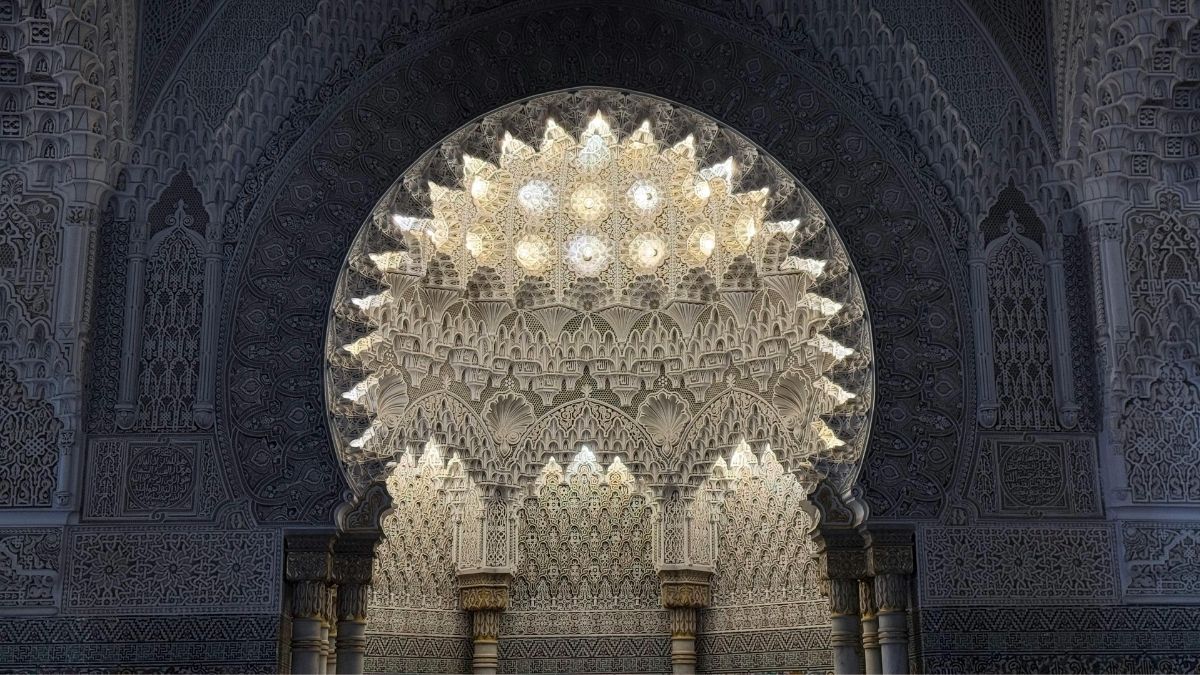
Islam is unique in that it is the only religion that established a civilisation according to its own principles and temperament. Islam is unique also in recognising that religions other than itself exist, that their adherents claim they are true, and that these religions somehow have to coexist. From a position of political and cultural… Continue reading Islamic History
The Methodology of Teaching the Principles of Ḥadīth

بسم الله الرحمن الرحيم Our esteemed colleague, Mawlānā Ṣafwān Aḥmad Ḥalīmī Qāsmī, has asked: What is the correct method for teaching ʿilm al-uṣūl al-ḥadīth? The science of uṣūl al-ḥadīth—also called ʿilm muṣṭalaḥ al-ḥadīth—holds a foundational place among the Islamic sciences. Both terms are synonymous. The essential aim of this discipline is to establish principles and… Continue reading The Methodology of Teaching the Principles of Ḥadīth