My dear students, It has been brought to my attention, through my dear student, Mr Ali Rasul, that many of you at Al-Salam feel disheartened because, despite your sincere effort and hard work, you still struggle to progress quickly in understanding the Arabic language. Some of you mentioned that it can take nearly an hour… Continue reading How to progress in Arabic reading and comprehension
Surah Sad
Surah Ṣād is a majestic and profoundly reflective chapter of the Qur’an that integrates admonition, warning, and consolation into a coherent discourse. It interweaves the themes of divine unity, justice, human arrogance, prophetic perseverance, and the inevitability of the Hereafter. Like other surahs belonging to this thematic group, it reaffirms the oneness of God (tawḥīd),… Continue reading Surah Sad
Shādh and Munkar Reports
These examples should make it clear that shādh and munkar denote erroneous reports. Mistakes, whether in isnād or in matn, remain mistakes in every circumstance. Multiple routes cannot transform them into correct reports. The examples I have given here are hypothetical to aid understanding. The real examples are in my aforementioned book, which need not… Continue reading Shādh and Munkar Reports
Is Not the Morning Near? Reflections on Hūd 81

“And the ten nights”: These are the seven nights in which ʿĀd perished and the three nights of reprieve given to Thamūd before their punishment – together ten nights. As explained elsewhere: “And as for ʿĀd, they were destroyed by a furious raging wind which He imposed on them for seven nights and eight days… Continue reading Is Not the Morning Near? Reflections on Hūd 81
The Life of the Prophet: From the Public Call to the Passing of Abu Talib and Khadījah
The Sīrah as a Record of Reality One of the most remarkable aspects of the sīrah, the life of the Prophet Muhammad ﷺ, is that it exists at all. It is not a myth, nor a legend, nor a symbolic drama. It is a record of a human life unfolding within the real fabric of… Continue reading The Life of the Prophet: From the Public Call to the Passing of Abu Talib and Khadījah
Surah Yusuf
The unifying concern of this surah is human conscience – how it is informed, how trained and tested, how supported and rewarded. This concern is not presented as an argument or doctrine but as a story. We need to reflect on the central concern of the surah and also on why the form of a… Continue reading Surah Yusuf
The Passing of Shaykh al-Muqri’ Bashīr Aḥmad – May Allah Have Mercy on Him

We received with deep sorrow and grief the news of the passing of the venerable Shaykh Bashīr Aḥmad Ṣiddīq, the reciter (al-muqriʾ) at al-Ḥaram al-Madanī al-Sharīf for many decades, who passed away on Wednesday, the 9th of Rabīʿ al-Ākhir 1447 AH. Many people in Britain and beyond benefitted from his knowledge. He had a particularly… Continue reading The Passing of Shaykh al-Muqri’ Bashīr Aḥmad – May Allah Have Mercy on Him
The Manner of the Prophet’s Prayer ﷺ
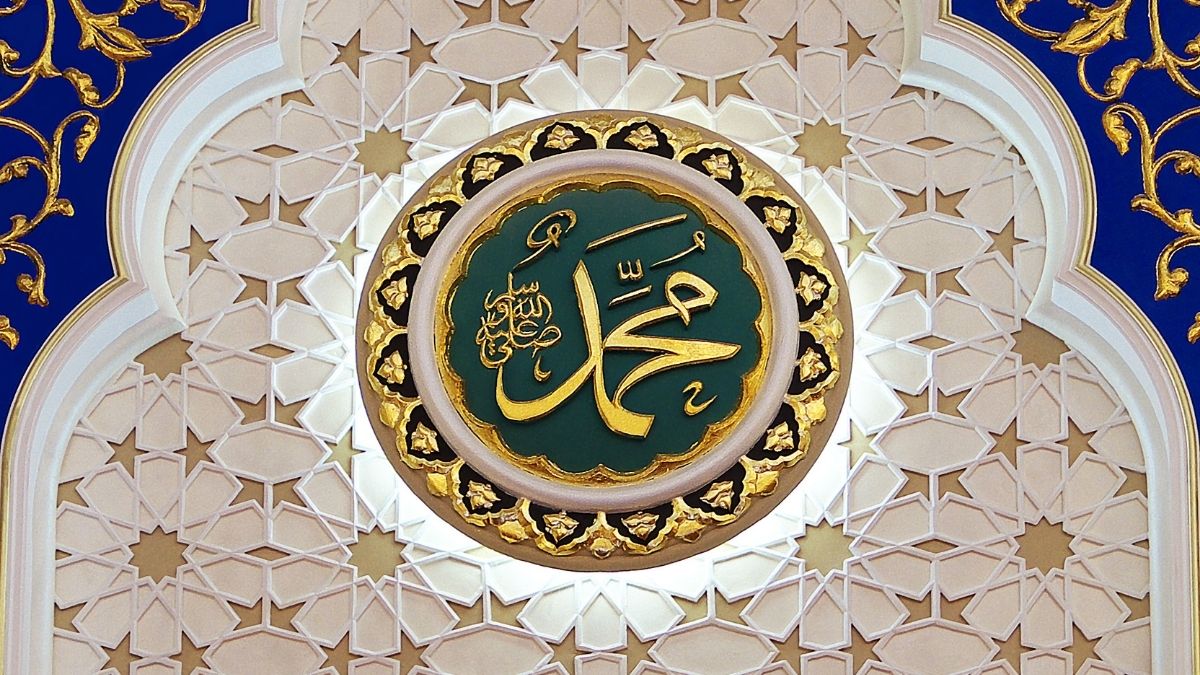
They said: Describe to us the prayer of the Messenger of God, may God bless him and grant him peace, in a way that brings it near to us, removing any perplexity or complication. I said: How slow you are in your religion! And how negligent you are in its most serious concern! Is not… Continue reading The Manner of the Prophet’s Prayer ﷺ
The Human Prophet
Divine Election The figure of the Prophet holds a unique place in the religious consciousness of believers. Unlike kings, philosophers, or poets whose greatness may be recounted through achievements or inherited through lineage, the Prophet is defined first and foremost by divine election. As Islamic tradition asserts, it was God Himself who chose the Prophet,… Continue reading The Human Prophet
Surat al-Baqarah
Surat al-Baqarah is the longest and most comprehensive surah in the Qur’an. This two-year course represents a serious commitment to go through it in detail so that we understand the breadth and depth of the message of the Qur’an. The aim of tafsir is to connect inwardly and outwardly with the guidance of our Lord,… Continue reading Surat al-Baqarah