Releasing the Cage from the Heart of the Bird

Our esteemed friend, Dr Muhammad Salim, once recited a verse in Urdu that still echoes in my ears:
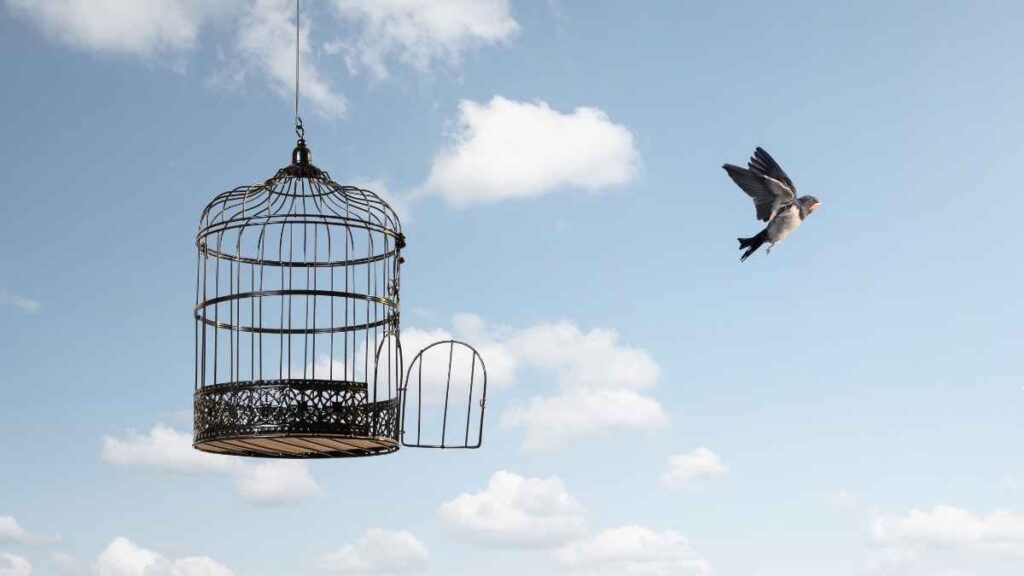
“I released a bird from its cage,
Now I must release the cage from its heart.”
How profound and beautiful these lines are! You may open the door, but you cannot open the heart. You may shatter the bars, but you cannot break the habit. There is a visible freedom, attained by bodies; and there is an inner freedom, known only to those who strive against their own souls and demolish the fears and traditions accumulated within.
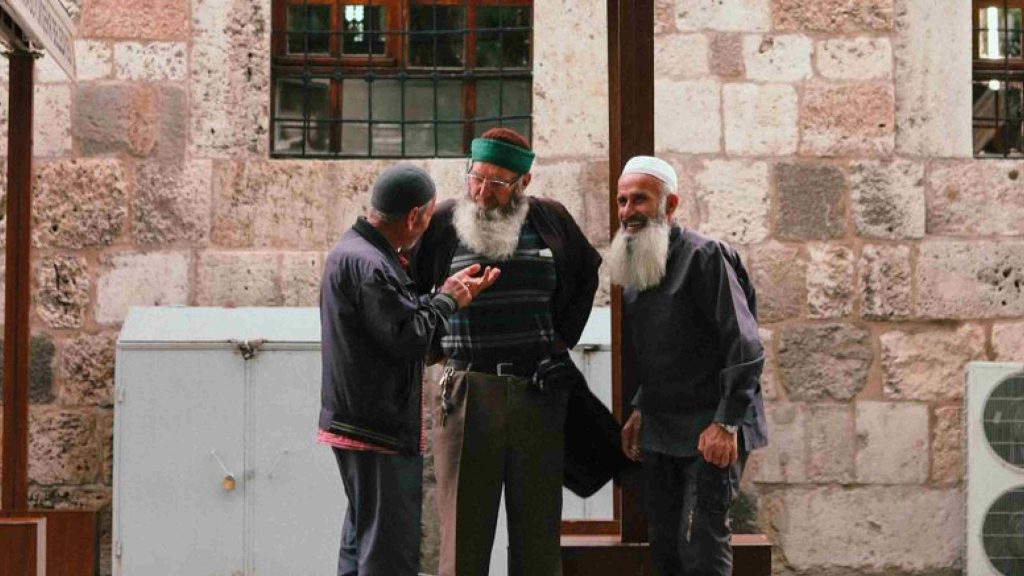
Look at the migrants today — from among the Arabs and Muslims — leaving their homelands in search of livelihood, or fleeing from war, or desiring a broader and more open life. You find them living in Paris, London, or New York, surrounded by new faces, new manners, and unfamiliar customs and dress. Yet when you enter their homes, you find them replicas of the homes they left behind: the same food, the same language, the same conversations. Enter their mosques, and you will see within them the same sectarian disputes, the same doctrinal divisions, and the same juristic quarrels that remind you of the village mosques they departed from. Indeed, you often find them more attached to what they left behind—as though exile has stirred within them a buried longing, and they wish to carry the cage with them wherever they go, lest they forget or be forgotten.
This, in some respects, is natural; yet in other respects it becomes an obstacle — preventing openness, generosity, and integration — leaving them strangers in lands that continue to regard them with suspicion. They have left their countries with their bodies, but not with their minds. They resemble the bird that flew from its cage, yet still circles around it, fearful to fly too far — as if its freedom were incomplete, as if its wings were too weak to embrace the sky.
The youth among the children of these migrants suffer this struggle most acutely. They live between two cultures: the culture of the home, which clings to the customs of the old country, and the culture of the school and the street, which belongs to the new homeland. If they fail to reconcile the two, they live in constant unease — neither belonging here nor there. We have seen those who are lost between two languages: they master neither their parents’ tongue nor the language of the society around them, and remain prisoners of an inner cage that tightens around them no matter how wide the world before them becomes. Many, too, are lost amid sectarian and doctrinal divisions — some, weary of these endless disputes, turn away in disgust and abandon religion altogether.
Is this not proof that true freedom is not in changing one’s place, but in changing oneself? That before you release yourself from the cage, you must release the cage from your heart?
Freedom, dear reader, is not a gift that anyone can grant you; it is the fruit of your own struggle with your soul. Unless you remove the cage from your heart, neither the freedom of nations nor the vastness of the heavens will benefit you. For the bird that fears to fly is not truly free, even if it dwells in open sky.
Let this be our message then: it is not enough to release the bird from its cage; we must teach it to remove the cage from its heart. It is not enough to migrate with our bodies; we must also migrate with our minds toward the expansiveness of thought, and with our hearts toward the vastness of human compassion. Only then shall we be truly free, and only then will the poet’s words ring true:
“I released a bird from its cage,
Now I must release the cage from its heart.”
Original source: