Living Ramadan well


Students often ask how Ramadan may be inhabited so as to produce lasting transformation rather than a fleeting intensification of religious sentiment. This question is not merely devotional; it is philosophical. Ramadan is not a sacred interval inserted into an otherwise uninterrupted life, but a concentrated pedagogy of the self. Its practices are instruments designed to reorder attention, refine desire, and recast the narrative through which one understands who they are and what they are for. Viewed through the lens of virtue ethics, Ramadan is teleological: it aims at the cultivation of character, the shaping of a person attuned to both moral and spiritual excellence. Its success is measured not by intensity of effort within the month, but by the endurance of its effects thereafter.
Fasting as a technology of desire
Fasting, often reduced to abstention from food and drink, functions psychologically and ethically as a technology of desire. Ordinary life habituates the self to treat appetite as law; Ramadan interrupts this reflex, displacing appetite and enthroning obedience. Repetition strengthens the will: the soul learns to resist immediate impulse, and self-discipline becomes habitual. Extending abstinence to the senses, imagination, and tongue reveals the structure of vice and allows the self to integrate outward observance with inward disposition. Habit, in this sense, becomes formative; repeated acts engrain patterns that, over time, constitute character.
Prayer and the structuring of time
The five daily prayers similarly reorder desire by structuring time itself. To pray at prescribed hours is to subordinate convenience to transcendence. Congregational prayer makes this subordination tangible: aligned bodies enact equality before God, momentarily suspending worldly hierarchies. Voluntary night devotion further cultivates stamina; yet excessive exertion risks collapse. Sustained, moderate practice forms character more reliably than bursts of sporadic intensity. Within the domestic sphere, regular worship socialises children, transmits norms, and embeds remembrance within ordinary life. Simultaneously, supplication and repentance cultivate self-knowledge: acknowledgment of dependence and imperfection softens ego-defensive narratives and opens the heart to growth.
The Qur’an and the reshaping of attention
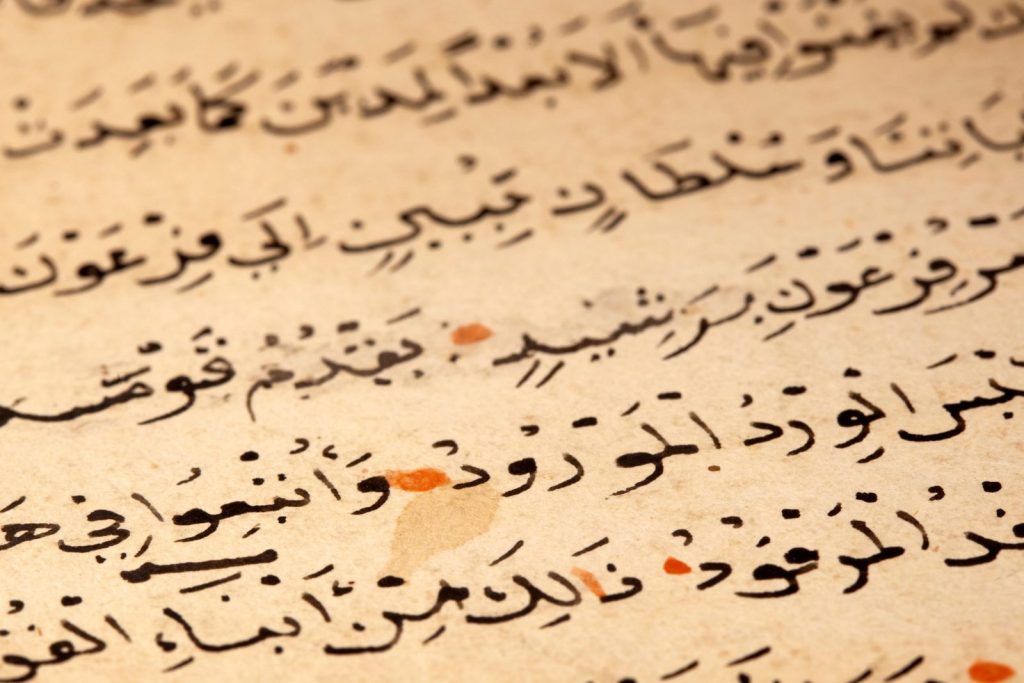
Ramadan also directs attention to the Qur’an, whose purpose is to reshape perception. Humans do not merely act; they attend selectively, and what is attended to shapes the trajectory of character. Recitation alone is insufficient; it must cultivate attentional discipline and moral discernment. Reflective reading prompts the believer to ask: which virtues are summoned? Which vices exposed? Where do my dispositions fall short? Familiar passages may reveal new depths when the heart is ready, disrupting complacent narratives of self-sufficiency and revealing alternative plots of ethical and spiritual possibility. Knowledge alone is incomplete; insight must be enacted. Praise of patience summons resistance to impatience; commendation of generosity challenges miserliness. The Qur’an’s ethical telos is fulfilled only when it reshapes conduct.
Virtue toward others
Equally important is the cultivation of virtue in relation to others. A fast coexisting with backbiting, deceit, or exploitation is hollow. Words and actions have consequences that outlive ritual observance. Heightened vigilance over speech and behaviour trains restraint: the believer asks whether what is spoken or enacted is true, necessary, and dignifying. Integrity in all affairs ensures that devotion manifests as reliability and justice. Ramadan also amplifies awareness of shared vulnerability before God, tempering ego and fostering generosity in judgment. Goodwill toward others is not naïve idealism but disciplined cultivation: it neutralises rancour and stabilises social bonds.
Ramadan as a festival of the soul
Yet Ramadan is more than discipline or restraint; it is a festival of the soul, a celestial Guest whose arrival fills the world with joy. As believers ascend metaphorical hills and mount spiritual summits, they greet this honoured Guest descending from the loftiest heights. Were the wings of heavenly birds and arms of celestial beings to unite in welcome, the sky itself would resound with acclamation. Every gesture radiates delight; every gaze is illuminated; every heart overflows with devotion. “Salutations to the month of grace and mercy! Salutations to the month of bounty and beauty! Salutations to the month of nearness and supplication! Welcome, honoured Guest!”
The crescent appears; the time of separation departs. Restlessness is stilled; the soul finds serenity. Autumn yields to the springtime of the spirit. The beloved manifests in the sun’s countenance; a delicate new bloom emerges. Sorrows are soothed, hearts find consolation, and the nightingales cease their lamentations, for the heavens proclaim tidings of spiritual awakening. The hour of Qur’anic recitation and the call to prayer has come; the season of divine instruction is at hand.
Fasting becomes a vehicle of inner refinement, purifying the heart and perfecting human character. The abstinent soul transcends desire: hunger and thirst do not perturb it, bodily weakness does not disturb it, and the seductions of the heart no longer ensnare it. The intellect navigates subtle realms beyond appetite, liberated from attachment, while the body submits to divine instruction. Angels observe in admiration; fasting is purification, completion, and the refinement of the human soul.
The breaking of the fast is a celebration, an Eid of devotion. It is marked by praise, glorification, and remembrance of the Beloved. The fasting believer becomes a guest of the Lord, worthy of the heavenly banquet, accompanied by angels. Their supplications are accepted, their needs fulfilled. By closing one gate of Hell through self-restraint, the Lord opens thousands of gates of Paradise. The fasting soul is exalted beyond worldly rank; all earthly grandeur pales before the eternal kingdom prepared for the obedient. The special gate of Rayan awaits, admitting the devoted into a Paradise adorned for them throughout the year, a kingdom of delights surpassing all worldly splendour.
The lasting measure of Ramadan
Thus, the measure of Ramadan is both existential and eternal. It shapes desire, redirects attention, and rewrites narrative identity. It produces a character attuned to virtue, attentive to God, and merciful to creation. Its splendour lies not only in abstinence, but in love, surrender, and joy, in the illumination of the heart and the flowering of the soul. May discipline be granted without severity, knowledge without pride, and devotion without display. May we emerge with hearts open to God, receptive to His word, and overflowing with mercy toward His servants. Ameen.