The Passing of Shaykh Muhammad Sultan Dhawq al-Nadwi

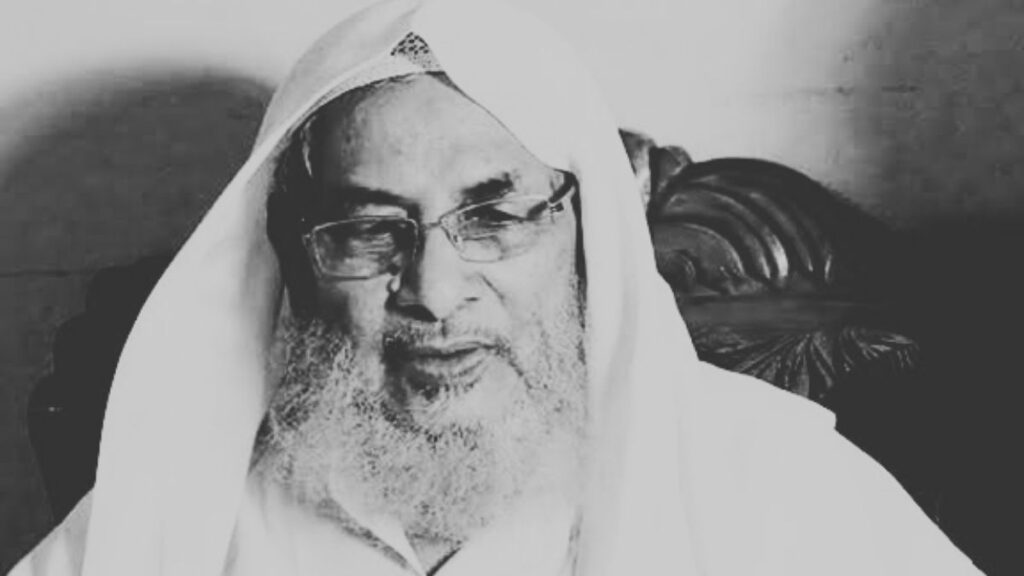
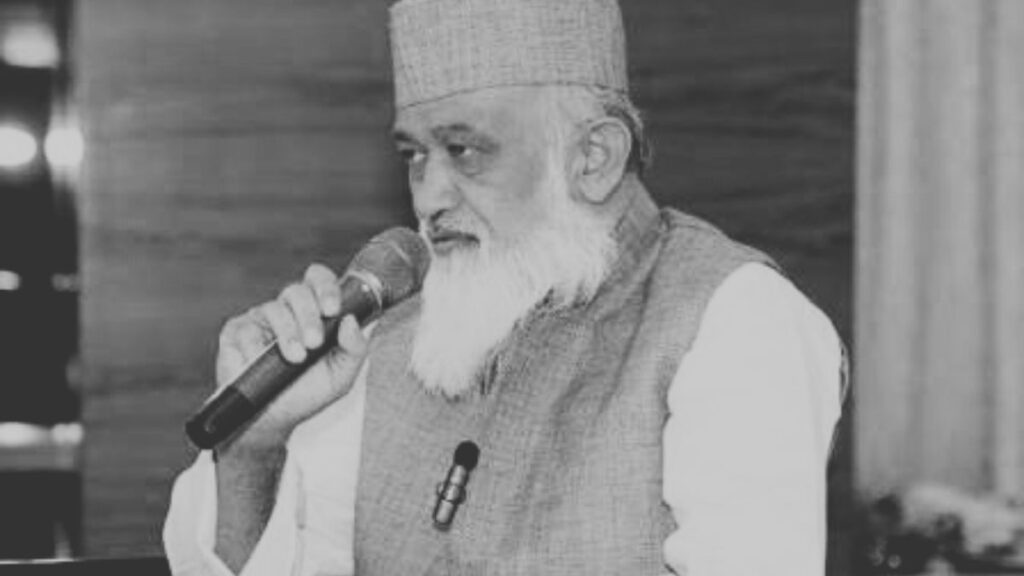
Tonight (Friday night, the 5th of Dhul Qa’dah 1446 AH), I was deeply grieved to receive the news of the passing of the firm scholar, exceptional man of letters, and Islamic researcher, Shaykh al-‘Allāmah Muhammad Sultan Dhawq al-Nadwi. Indeed we belong to Allah, and indeed to Him we shall return. He was a foundational pillar of the Arabic language in Bangladesh, combining knowledge with literature, marked by moderation and balance in his views and stances, and known for his gentleness and graciousness.
He was born in 1939, sought knowledge, and drew close to Dār al-‘Ulūm Nadwat al-‘Ulamā. He mastered the Arabic language in speech and writing, earned a certificate from that seminary, and was honoured with the title “al-Nadwi.” He was beloved by the Nadwis, especially their elders — Imām Abū al-Hasan ‘Alī al-Nadwi, Sayyid Muhammad al-Rābi‘ al-Hasani al-Nadwi, and Sayyid Muhammad Wāziḥ Rashid al-Nadwi (may Allah have mercy on them all). They saw in him vast knowledge, noble character, lofty ambition, asceticism from the world, and devotion to virtuous qualities.
His Birth and the Acquisition of Knowledge
He received authorisations (ijāzāt) from Shaykh Fakhr al-Hasan, head of teachers at Dār al-‘Ulūm Deoband, Shaykh ‘Abd al-Wadūd al-Sandīfī (a transmitter from Shaykh al-Hind), Shaykh Muhammad Yūsuf al-Binnūrī, Shaykh Muhammad Zakariyya al-Kāndhlawī, ‘Allāmah al-Qārī Muhammad Tayyib, the ḥadīth memoriser Shaykh ‘Abdullāh al-Darakhwastī, Shaykh Muhammad Manẓūr al-Nu‘mānī, Shaykh Mi‘rāj al-Ḥaqq, Muftī Maḥmūd al-Ḥasan al-Kankūhī, and our own shuyūkh: Abū al-Hasan ‘Alī al-Nadwī, ‘Abd al-Fattāḥ Abū Ghuddah, ‘Ubaydullāh al-Amritsarī, Muhammad ‘Āshiq Ilāhī al-Baranī, among others.
He strove to spread the Arabic language and its sciences in Bangladesh. He founded Jāmi‘at Dār al-Ma‘ārif al-Islāmiyyah in Chittagong and followed the methodology of Dār al-‘Ulūm Nadwat al-‘Ulamā in its education, moderation, and balance. One of his students said:
> “Among his enduring legacies in the pages of history was his tremendous effort to reform the prevailing educational curriculum in Islamic national schools. He was among the few who sensed the urgent need to reform and renew the curriculum in Bangladesh by combining beneficial traditional knowledge with useful modern knowledge. He rose and called to fulfil the needs of the age. Some supported him, others opposed him. The fruit of his sincere effort was the establishment of Jāmi‘at Dār al-Ma‘ārif al-Islāmiyyah, founded upon sincerity and God-consciousness, and upon the principle of combining sound tradition with beneficial modernity, following the model of Nadwat al-‘Ulamā in Lucknow, India.
Each year, this institution produces graduates of scholarly competence, lofty thought, righteous training, social awareness, and readiness to fill the gaps of society. History will also not forget the arduous efforts he made to gain governmental recognition for the certificates of national Islamic schools in Bangladesh — how many sleepless nights he endured, how many distant journeys he undertook for that recognition.”
His Teachers and Authorisations
I heard from him the musalsal bi’l-awwaliyyah and the ḥadīth of love, and he granted me authorisation (ijāzah). I met him many times at Nadwat al-‘Ulamā, and visited him with a group of scholars and researchers on the 5th of Rabī‘ al-Thānī 1444 AH at Jāmi‘at Dār al-Ma‘ārif al-Islāmiyyah in Chittagong. The university held a ceremony in our honour, and I delivered a speech on that occasion, which I documented in my travelogue to Bangladesh.
The departed was a blessed man, a bearer of the standard of knowledge, beloved and close to his students. He had a rare passion for the Arabic language, the likes of which is seldom found. Had circumstances allowed, he would have transformed all of Bangladesh into an Arabic-speaking nation. He was a capable writer in Arabic, with a straight and upright style.
He was dignified and composed, with a calm personality, detached from the world and its adornments, uninterested in wealth and its lures, and wholly devoted to lasting good deeds.
His Service to Arabic Language in Bangladesh
Let knowledge and literature weep for him. Let the scholarly gatherings and assemblies mourn. Let the news of his passing spread far and wide. Bangladesh has every right for its furthest and nearest regions to become a place of mourning and grief. May Allah have mercy on him, reward him with goodness and righteousness in proportion to how he served his religion, the language of the Qur’an, and the Islamic sciences.
Original source: