Shaykh Saeed al-A’zami al-Nadwi – His Life and Contributions

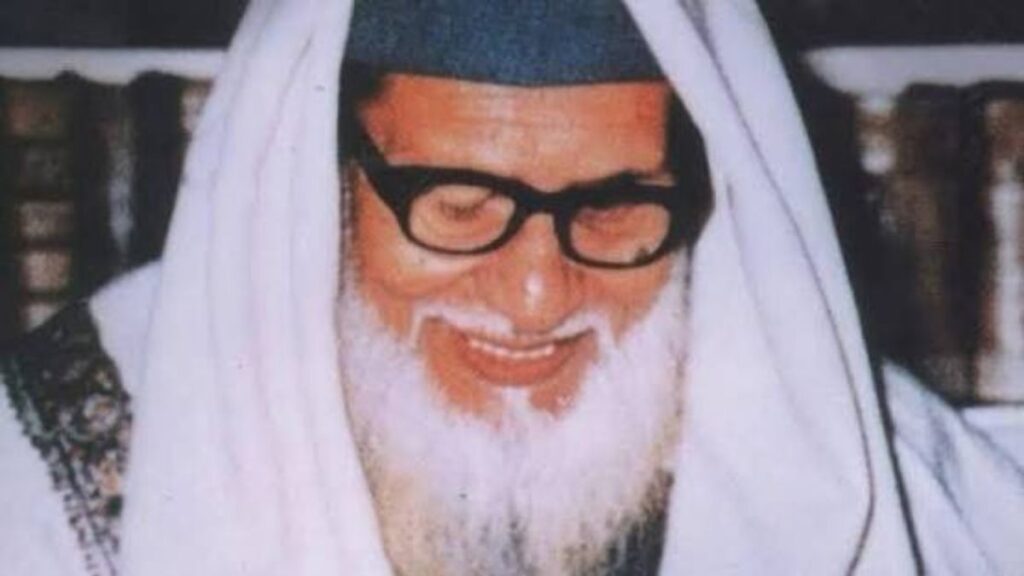
Book authored by: Dr Muhammad Furman al-Nadwi
Article written by: Dr Mohammad Akram al-Nadwi – Oxford
بسم الله الرحمن الرحيم
The Book Launch at Dār al-ʿUlūm
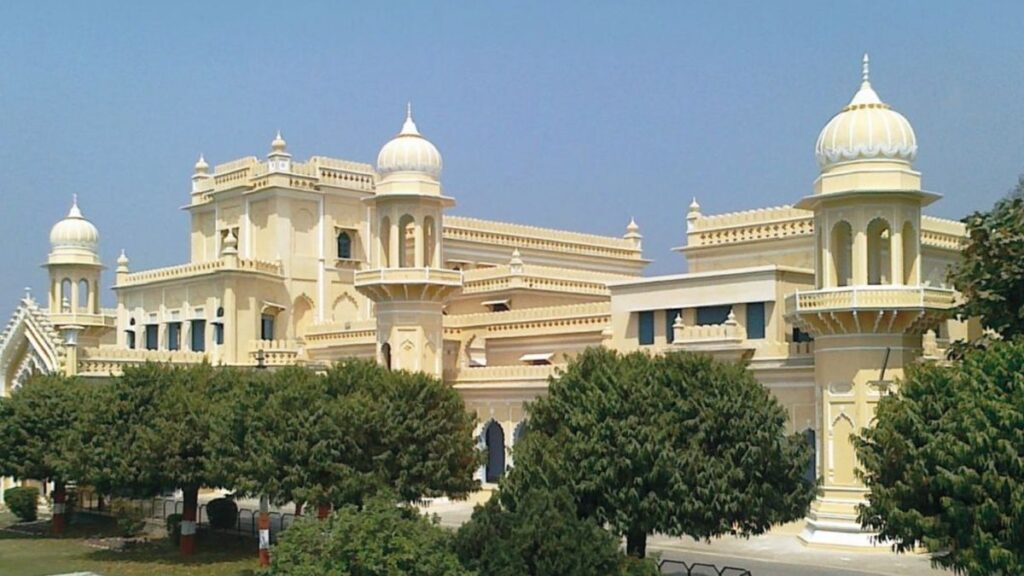
On the evening of Wednesday, after the Maghrib prayer, on the 22nd of Dhū al-Qaʿdah 1446 AH, a book launch was held in the hall named after the esteemed scholar Shaykh Ḥaydar Ḥasan Khān al-Ṭūnkī (may Allah have mercy on him) at Dār al-ʿUlūm of Nadwat al-ʿUlamā’. The book, entitled Shaykh Saeed al-A’zami al-Nadwi: His Life and Contributions, was authored by Professor Dr Muhammad Furman al-Nadwi, editor-in-chief of al-Baʿth al-Islāmī magazine, professor of Arabic literature at Dār al-ʿUlūm, and one of India’s leading Arabic writers – renowned for combining academic rigour, literary elegance, and loyalty to the people of knowledge and virtue.
This blessed event was held under the chairmanship of Shaykh Sayyid Bilal ʿAbd al-Ḥayy al-Ḥasanī (may Allah protect him), President of Nadwat al-ʿUlamā’, and was attended by a select gathering of esteemed scholars, senior teachers of Dār al-ʿUlūm, and a large audience of students and guests. The atmosphere was filled with scholarly spirit and reverence, imbued with a deep sense of pride and honour for one of the distinguished symbols of Islamic learning, literature and daʿwah – Shaykh Saeed al-Aʿẓamī al-Nadwī (may Allah bless him with good health), who has dedicated his life to the service of the Arabic language and Islamic daʿwah, enriching both the Arabic and Islamic intellectual traditions with his scholarship, guidance, and refined character.
Although I was not present in person at this noble gathering, I had the opportunity to follow its proceedings from afar. Yet I felt as though I were among them, living those historic moments and benefitting from their content and spiritual presence. For sincere scholarly occasions possess a light that transcends physical barriers and reaches the hearts wherever they may be. As has been said, presence of heart and mind is sometimes more meaningful than physical presence:
O you who remind me of my beloved companions,
Your words bring joy, and joy increases with their mention.
Repeat for me those tales from their midst –
For indeed, talk of the beloved is itself beloved.
Memories of Shaykh Saeed
My memory was taken back to my student days at Dār al-ʿUlūm, where I had the honour of studying under Shaykh Saeed al-Aʿẓamī (may Allah protect him). I read several important works with him that had a profound impact on my academic and literary development. Among them were al-Adab al-ʿArabī bayna ʿArḍ wa-Naqd by our teacher Shaykh Muhammad al-Rābiʿ al-Ḥasanī al-Nadwī, selections from the Dīwān of Ḥassān ibn Thābit (may Allah be pleased with him), and Mādhā Khasira al-ʿĀlam bi-Inḥiṭāṭ al-Muslimīn by Imām Abū al-Ḥasan ʿAlī al-Nadwī (may Allah have mercy on him). I benefitted from his classes on composition and Arabic writing, and was honoured to receive a general ijāzah from him on the 25th of Jumādā al-Ūlā 1442 AH – a certificate I shall cherish for the rest of my life.
I came to know Shaykh (may Allah keep him in good health) as a true representative of the Nadwī scholarly tradition – dignified in his manner, zealous for his faith, composed in his appearance, balanced in his speech, awe-inspiring in his gatherings, and possessed of a strong personality and a vast heart that embraced his students without condescension or arrogance. He was known for his sincere adherence to tradition and his aversion to innovations, a model of sincere and orthodox scholarship. He is distinguished by three outstanding traits that embody his scholarly and educational personality:
First: His exceptional discipline and exemplary punctuality. He never missed an appointment, never compromised on structure and routine. He was meticulous about performing his prayers on time, committed to his teaching throughout summer and winter, in calm and stormy weather alike – qualities that lent gravity and seriousness to his gatherings.
The structure and chapters of the book
Second: His eloquent pen and persuasive tongue. He is a graceful writer and impactful orator. His words flow in pure, eloquent Arabic, free of errors or foreign influence. Under the spell of his oratory, Nadwat al-ʿUlamā’ became a centre of eloquence and fine expression.
Third: His special care for his students. He would open his home to them after teaching hours, tutor them, refine their language and style, and instil in them a love for classical Arabic and pride in its use – educating and guiding them with compassion.
The book celebrated in this gathering is, without doubt, a remarkable scholarly and literary contribution – an encyclopaedic reference in its field. It spans 550 large-format pages, and the author has divided it into six well-structured chapters, combining elegant organisation with rich content, precise documentation, and deep analysis. Its chapters are as follows:
• Chapter One: A panoramic overview of the Arabic language in India from the dawn of Islam to the modern era. The author shows how India embraced Arabic as a language, culture, and religion, and describes the context in which ʿAllāmah Saeed al-Aʿẓamī emerged.
• Chapter Two: A detailed account of Shaykh Saeed al-Aʿẓamī’s personal biography – his birth and upbringing, education and teachers, and his virtuous traits and intellectual and spiritual qualities.
• Chapter Three: An exposition of the Shaykh’s efforts in education and guidance, his profound influence in reform and character-building, and his dedication to nurturing well-rounded individuals.
• Chapter Four: A survey of the Shaykh’s intellectual and literary contributions – articles, research papers, lectures, lessons, books, and letters – a treasure trove of thought with few parallels.
• Chapter Five: Devoted to the Shaykh’s work in promoting the Arabic language and its literature, and his role in reviving the literary movement in and beyond Nadwat al-ʿUlamā’ through teaching, leadership, and delightful writing.
Translated by AI. For the original article, visit:
Original source:
View the original Telegram post.