
The pain of grief was already profound, but his passing has magnified it into an extraordinary tragedy. Today, on 15th January 2025, the heart-wrenching news of the demise of my dear Ja’far Bhai, Maulana Sayyid Ja’far Masood Hasani Nadwi, has deeply shaken my soul. He was the Nazir-e-Aam of Darul Uloom Nadwatul Ulama, a teacher… Continue reading Jaʿfar Bhai – My Brother!
Is Jaʿfar the One Who Has Departed?

I shall never forget the man who walked upon this earth, whose loss I mourn today (Wednesday, 15th Rajab, 1446 AH, corresponding to 15th January 2025 CE). The announcers of death have conveyed the news of Ja’far’s passing, leaving ears stunned and hearts shattered. They have mourned our noble colleague and friend, a man of… Continue reading Is Jaʿfar the One Who Has Departed?
The Miracles of Two Christian Women

When an extraordinary event occurs involving Muslims, it is referred to as a karamah (miracle), but if it happens to non-Muslims, it is termed istidraj (enticement). This is a common distinction, but the truth is that this differentiation lacks foundation. Both natural and extraordinary phenomena are a manifestation of Allah’s mercy, knowledge, and power. Allah… Continue reading The Miracles of Two Christian Women
Studying Arabic Literary Works
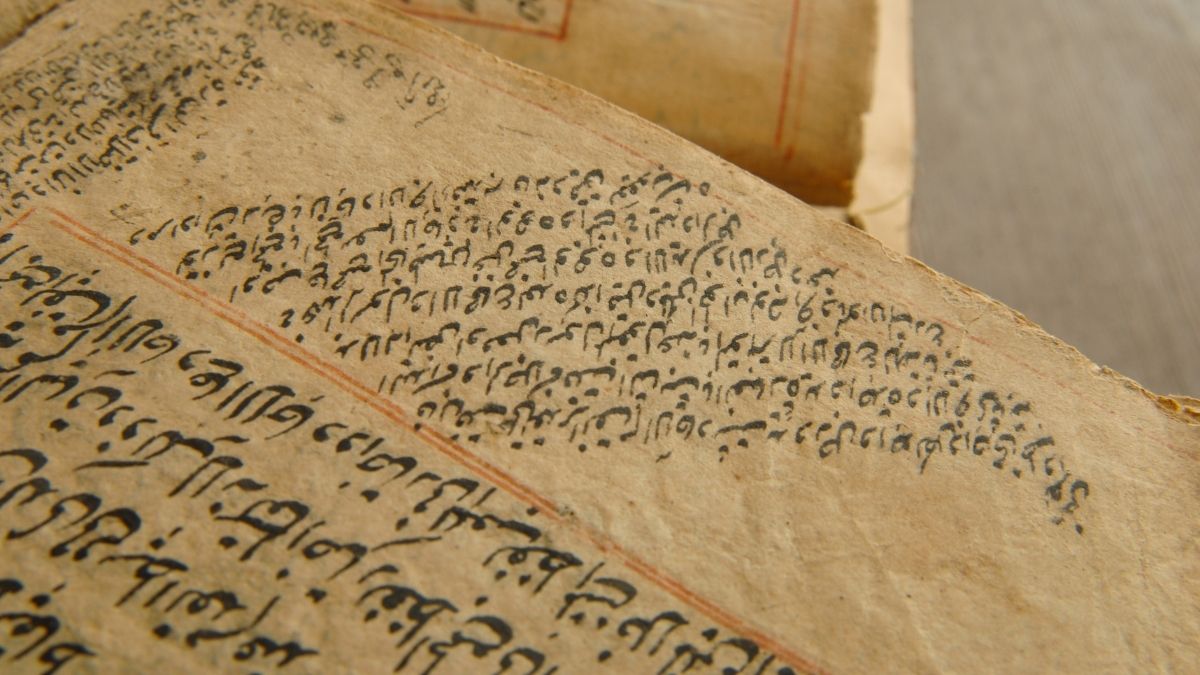
Today, the students of Al-Salam Institute asked me about the sequence they should follow in studying Arabic literary works. I responded: Those who have mastered the foundational books of grammar, morphology, and Arabic reading, such as the Al-Arabiyya lil-Nash’een series or similar, should begin with Kalila wa Dimna. This concise book helps students appreciate Arabic… Continue reading Studying Arabic Literary Works
There Are No Limits to Praising Allah

In the Name of Allah, the Most Gracious, the Most Merciful Maulana Syed Muhammad Wazeh Rashid Nadwi (may Allah have mercy on him) was one of the eminent teachers at Darul Uloom Nadwatul Ulama. He possessed an extraordinary talent for teaching Arabic translation and composition. We, the students, were not only influenced by his knowledge… Continue reading There Are No Limits to Praising Allah
Has the Sun Risen?

If your family members differ on whether the sun has risen or not, splitting into two groups—one asserting the sun has risen and the other denying it—do not say, “There are two opinions on this matter: some say the sun has risen, and others say it hasn’t.” Nor should you spread these differing views on… Continue reading Has the Sun Risen?
Cook Well and Serve with Elegance
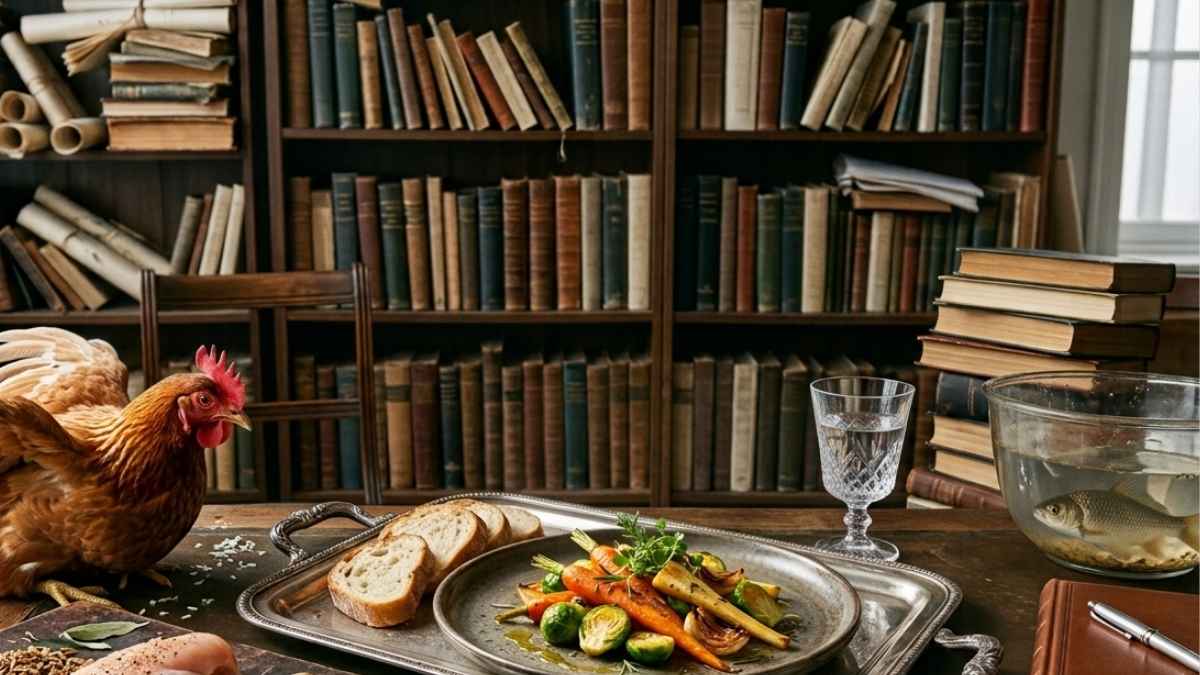
There is a dear friend and benefactor of ours—whose name, for reasons of discretion, will remain undisclosed—who is a Mufti of the Age. In this world, he assumes the role of Allah’s “warden,” and neither humans nor jinn are safe from his grip. His presence invokes a trembling more intense than what was once felt… Continue reading Cook Well and Serve with Elegance
Scientific Evidence

People frequently use the term “scientific evidence,” but its meaning is often ambiguous and poorly defined. In fact, this term is frequently employed without proper understanding. The foundation of scientific research lies in experimentation. The ideas and theories derived from these experiments are always subject to critique and revision. These challenges and counter-challenges play a… Continue reading Scientific Evidence
A Message from Mount Uhud
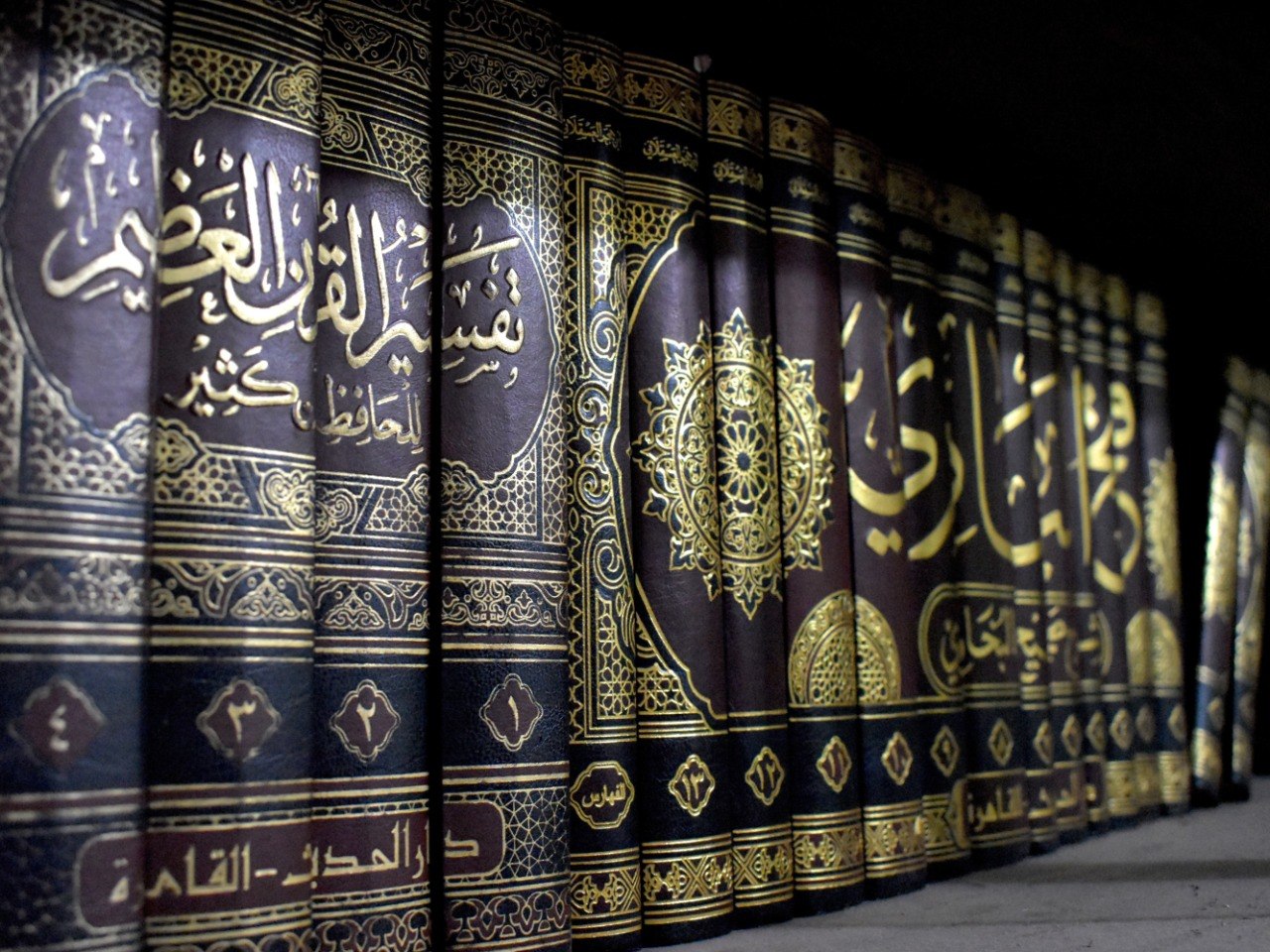
An Address to Mount Uhud O symbol of strength and grandeur! Your plains and valleys bear witness to the courage and unmatched bravery of the Prophet’s Companions (may Allah be pleased with them). You were the arena of war and sacrifice, the field of truth and devotion. The echoes of history still resonate around you.… Continue reading A Message from Mount Uhud
Eloquent Discourse on the Rulings of Tabligh
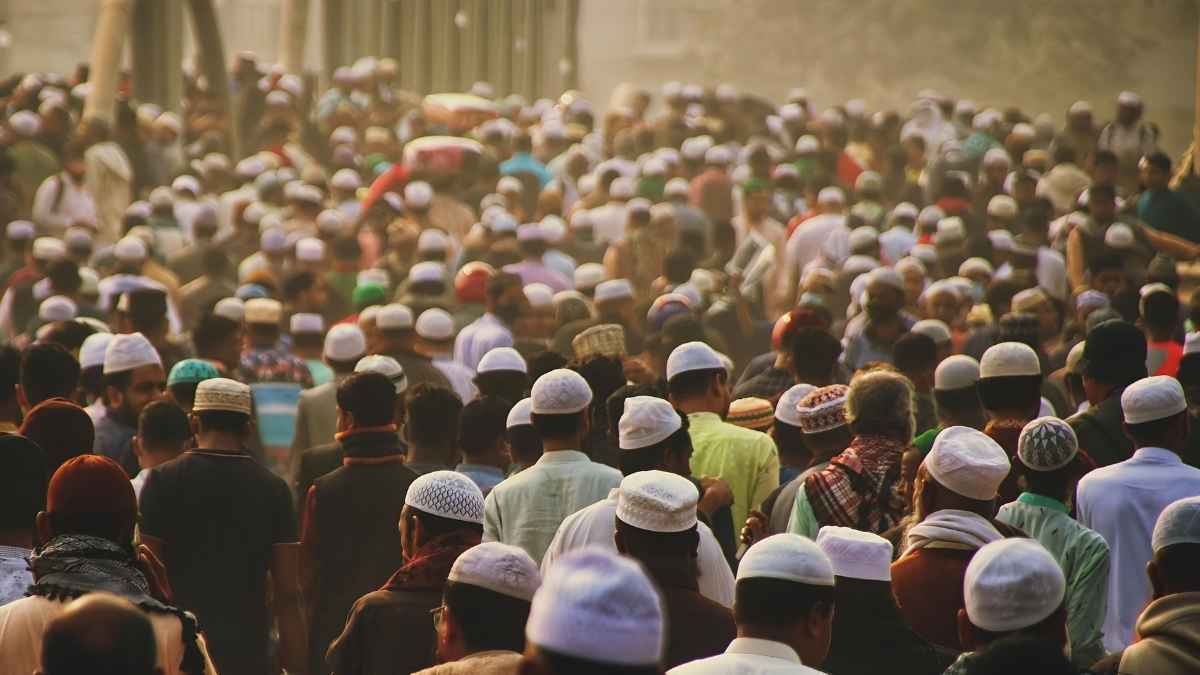
Allama Muhammad Farooq Itarani (d. 2000 CE), may Allah have mercy on him, was a graduate of Darul Uloom Mazahirul Uloom Saharanpur, a disciple and successor of Shah Wasiullah Fathpuri, may Allah have mercy on him, a profound scholar, meticulous thinker, and a man of righteous deeds, known for his asceticism and piety. He dedicated… Continue reading Eloquent Discourse on the Rulings of Tabligh