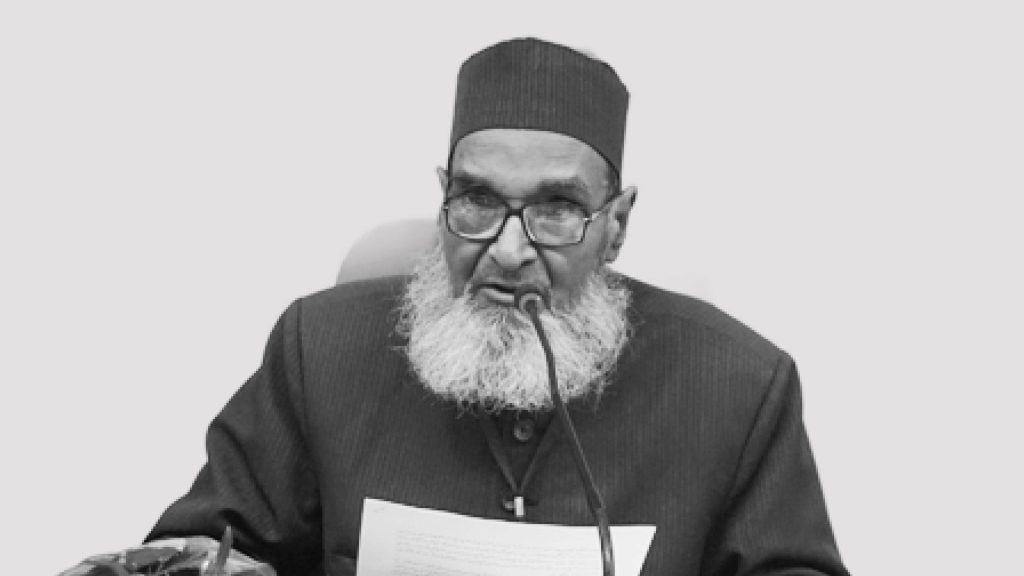
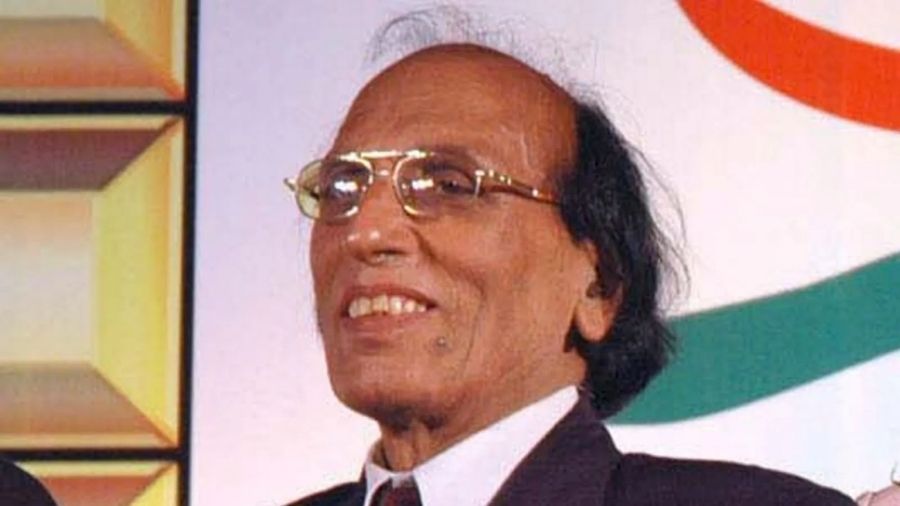
Mawlānā Mustaqīm Bistawī (May Allah Have Mercy on Him)
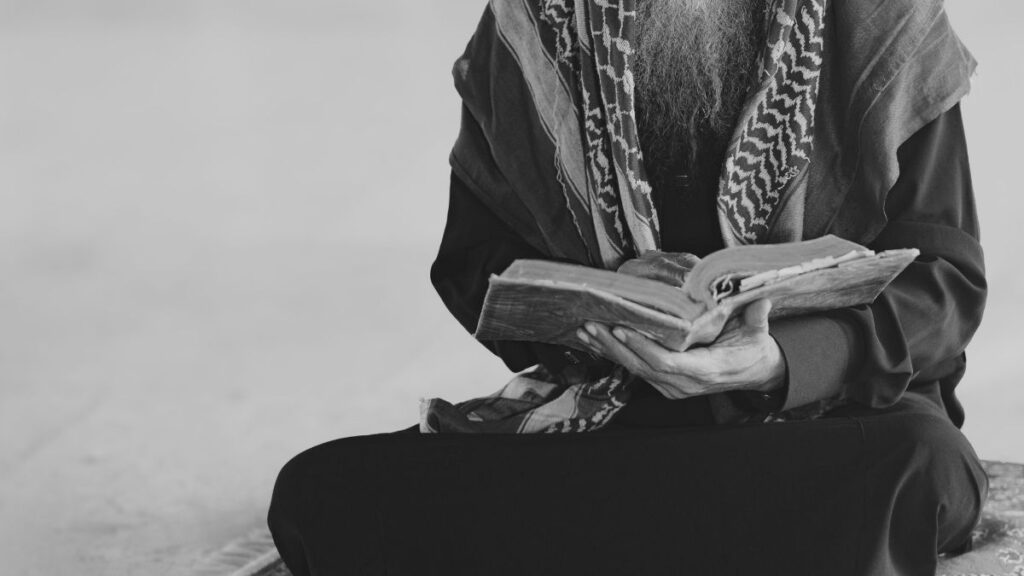
Do not ask about the equipment of the caravan of the self-effaced,
Our caravan’s bell tolls without a cry.
The News of His Passing
Today (Tuesday, 28 Dhū al-Ḥijjah 1446 AH), though the sun had risen in Oxford in all its brilliance, a different shadow had already fallen over my heart and mind—news that rendered every seeker of truth grief-stricken, every person of insight silent, and every sincere soul directionless. That lamp which had been glowing in the heart of Delhi, at the Markaz in Niẓāmuddīn, for so many years—
that torch which had been spreading the light of īmān and ʿamal throughout the towns and villages of Eastern UP, even its alleys and byways—
that voice which, though draped in humility, was connected to the heavens of guidance—
has today fallen silent.
Ḥaḍrat Mawlānā Mustaqīm Bistawī (may Allah have mercy on him), whose life was a living embodiment of truthfulness, purity, poverty and sincerity, has answered the call of his Lord. Innā lillāhi wa innā ilayhi rājiʿūn.
This is not merely the passing of a person; it is the conclusion of a spiritual epoch. His person was the bridge between knowledge and practice, upon which the simple-hearted masses walked to reach the natural light of faith. In his speech, there was no showmanship with words, nor any entanglement in the puzzles of logic and philosophy. Rather, it was a truth kneaded from the soil of rural life, which would pass through the ears and settle deep in the inner chambers of the heart.
His Early Life and Personality
He hailed from the village of Tanahrī Maʿāfī in the district of Sant Kabīr Nagar, a land where there were neither towering buildings nor well-lit streets, nor rows of libraries. Yet from that soil arose a man of God who tended to the wounds of the ummah, and from the dust he drew out rays of light, presenting a renewed invitation to Islam before the world.
The life of Mawlānā was an open book. He desired no position, sought no leadership. There was in his temperament neither conceit nor flattery. His days and nights were entirely devoted to seeking the pleasure of Allah. In his speech was a profound effect that no institutional degree can generate, nor any khānqāh bestow by way of spiritual lineage.
Whether it be colour or brick and stone, melody or word and sound—
the miracle of true artistry arises only from the blood of the heart.
Alas! That man of heart has departed—the one who spoke in the dialect of the fields, who opened the doors of hearts through metaphors from the harvest, and who called people to their Lord with the utmost simplicity. Every word that came from his lips was like the first drop of rain, quenching the parched earth and breathing life into dead hearts.
His Character and Mission
In the districts of Eastern UP—Bastī, Gorakhpur, Jaunpur, and Azamgarh—he was like a living legend, as if saying through the tongue of his state:
“In a land where gems are not valued,
We have opened a shop and still announce the worth of jewels.”
Those who heard him speak would feel as if they were in the nurturing arms of the first caravan of daʿwah. I myself, during my student days, felt the pull of his magnetic discourse intensely, and considered it a great fortune to attend his talks wherever they took place. In his gatherings, one felt a unique light, a remarkable tranquillity, and a spiritual presence that only falls to the share of the pure-hearted.
Though time and the revolving world introduced us to many scholars, preachers, and ascetics, few were like Mawlānā Mustaqīm Bistawī—in whom one saw the simplicity of Mawlānā Muḥammad ʿUmar Pālanpūrī (may Allah have mercy on him), the insight of Mawlānā Inʿām al-Ḥasan, and the love and compassion of Mawlānā Sayyid Muḥammad Rābiʿ Ḥasanī Nadwī. His soul was so indifferent to the world that no glamour could dazzle his eyes. He neither made religion a means to worldly wealth or honour, nor did he consider daʿwah to be a rung on the ladder of status.
His entire journey was spent seeking nothing but the pleasure of Allah—and therein lies his success and distinction.
In the crowds of Markaz Niẓāmuddīn, he was a silent figure clad in a plain shawl. Yet he was an imām of hearts—his gaze radiating light, his speech filled with effect, and his heart bearing the pain of the ummah. When his voice would rise in a gathering, the listeners would not merely hear words—they would feel the coolness of faith descend upon them. He was not a vast ocean of knowledge, but every word he uttered, he lived by. The strength of his daʿwah lay in his sincerity—that sincerity which is neither taught by institutions nor acquired through syllabi.
After I left my village, I had the opportunity to meet him a few times at Niẓāmuddīn. The same old manner, the familiar simplicity, that same pain-filled tone conveying what lay in the heart. There was a gentle humility veiled in his eyes, as though he had become indifferent to every form of praise and fame in the world. Every sentence of his bore witness that he was among those servants of Allah who walk silently upon the earth, while the heavens resonate with their remembrance.
Ask others of the beauty of his character—
for Saʿdī himself stood in awe, entranced.
And now, when he is no longer among us, it feels as though a lamp has been extinguished—but its light remains in our hearts. Though he has departed physically, his words, his supplications, his daʿwah efforts, and his pure Islamic legacy are alive. His passing has left a void in the ranks of daʿwah, but his footsteps teach us that the true provision for serving religion is simplicity, poverty, sincerity, and silence.
We raise our hands before Allah Most High and supplicate that He forgive this man of truth, elevate his rank, accept his sincerity, and by his blessing, make people like us sincere in service to His dīn. Āmīn, thumma āmeen.
Original source:
View the original Telegram post.