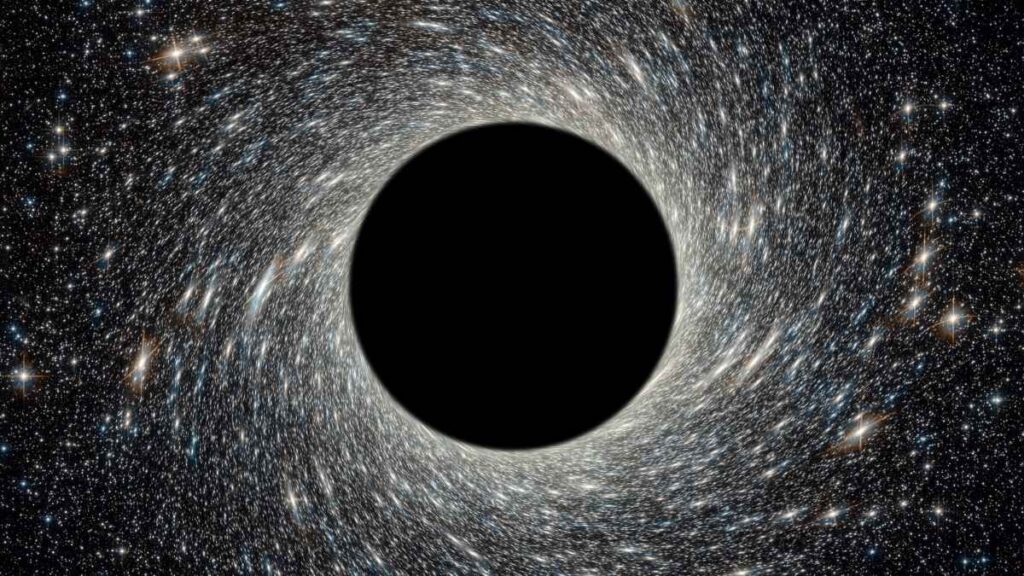
Folding of Space and Time
ʿAllāmah ʿAbd al-Wahhāb al-Shaʿrānī reports in Lawāqiḥ al-anwār fī ṭabaqāt al-akhyār that his own shaykh, ʿAlī al-Khawwāṣ, would be seen at the time of ẓuhr in his shop in Miṣr (Cairo). Yet no one ever saw him perform the prayer there. When asked why he did not pray ẓuhr, he would remain silent. Later, however, some attendants from Palestine reported that he used to pray ẓuhr with them in the city of Ramla.
The Ṣūfīs hold the belief that the four aqṭāb — Shaykh ʿAbd al-Qādir al-Jīlānī of ʿIrāq, Shaykh Aḥmad al-Rifāʿī of Shām, Shaykh Aḥmad al-Badawī of Yemen, and Shaykh Ibrāhīm al-Dasūqī of Miṣr — were all granted the karāmah of folding the earth (ṭayy al-arḍ). Similar beliefs are also widespread concerning Ṣūfīs of India. There were those who resided in villages in Punjab and other places, yet they, or their disciples, would claim that they prayed in al-Masjid al-Ḥarām.
Al-Shaʿrānī further reports in al-Ṭabaqāt al-kubrā that Abū al-Mawāhib al-Shādhilī used to see the Prophet ﷺ in a waking state. The Prophet ﷺ said to him: “Death has not come upon me. The meaning of my ‘death’ is that those whom God does not enable to understand are veiled from me.” Al-Shādhilī said: “O Messenger of God ﷺ! If I tell people that I behold you with my very eyes in sensory perception, they will deny me.” The Prophet ﷺ replied: “By the majesty and greatness of God! Whoever does not believe in this vision of yours, or denies you in the matter, will die a Jew, a Christian, or a Magian.”
Stories of the folding of space and time are reported in abundance in Ṣūfī writings and discourses. Generally, the ʿulamāʾ strongly repudiate such claims. Ibn Taymiyyah said: a man cannot be in two places at once. While he was imprisoned in Miṣr, people reported seeing him delivering sermons in Damascus. The ruler of Shām was disturbed and sent to verify. It was confirmed that Ibn Taymiyyah remained in prison. When asked about this, he explained that it was a jinn who had taken his likeness and spoken in Damascus. Someone suggested it could have been an angel, to which he replied: “That cannot be, for he claimed he was Ibn Taymiyyah — and angels do not lie, whereas the jinn are frequent liars.”
The Ṣūfīs say: one should not show hostility towards something one does not know, but rather admit one’s ignorance. This is indeed correct. Yet their admission does not prove the truth of their extraordinary claims and shaṭaḥāt. Every claim that lacks evidence from reason and transmission is mere delusion, self-deception, and ignorance. God has not made us responsible for believing in anything that lacks proof.
Someone may raise an objection: if the karāmāt of awliyāʾ are true, then what is problematic in folding of time and space? The answer is: karāmah is a divine gift. When God wills, He grants His servants such extraordinary favour. A servant has no power to produce the extraordinary by himself. Moreover, karāmāt are always temporary and granted to fulfil a specific need. Otherwise, the extraordinary would become ordinary.
It should also be remembered that mere possibility is not proof of reality. If we ascribe some miraculous feat to Imām Abū Ḥanīfah, Imām al-Shāfiʿī, or Shaykh ʿAbd al-Qādir al-Jīlānī, the basis cannot be the general principle that “karāmāt of the awliyāʾ are true.” Rather, we must have the testimony of those who actually witnessed it, connected to us by a sound and continuous chain, with trustworthy narrators. For example, it is said that Imām al-Shāfiʿī would complete two recitations of the Qurʾān every day in Ramaḍān, or that Imām Abū Ḥanīfah prayed fajr for forty years with the wuḍūʾ of ʿishāʾ. Yet no such claims have ever been substantiated by reliable chains. Indeed, they contradict the teachings of God and His Messenger. It is obvious that anything makrūh or disapproved cannot be considered a karāmah.
The correct view is that these claims of karāmāt are either false or based on misunderstanding. For instance, one who prays ʿishāʾ and fajr in congregation is considered as if he spent the whole night in prayer. Someone, on that basis, exaggerated and claimed that he literally prayed the entire night.
The same applies to the folding of space and time. A man may be in his own town but, through the power of imagination, feel that he has reached elsewhere. Or he may live in the present but in his thought imagine conversing with the Prophet ﷺ. Such “foldings” are common in poetry.
As for myself, such events of folding time and space occur daily. When I am walking alone or lying on my bed, I reflect upon the Prophet ﷺ. His noble gatherings revolve in my mind. The events of Ibrāhīm عليه السلام come to life. The details of the battles of the Ṣaḥābah رضي الله عنهم unfold before me. Sometimes I find myself in the ḥadīth circles of Sufyān al-Thawrī, Wakīʿ ibn al-Jarrāḥ, or Ibn Taymiyyah.
It is obvious that such events are imaginative, and everyone experiences them. People understand their limits, and so they attach little significance to them; in fact, they are of even lesser standing than dreams.
Some minds, however, are weak, or are so deeply affected by certain spiritual exercises that they come to mistake dreams and imaginings for realities. When a person is in such a condition, he should not go about relating it to everyone. Rather, he should seek treatment for his malady and pray to God for healing.
May God protect us from spreading falsehoods and absurdities, safeguard us from holding such baseless beliefs, and grant us reliance upon the Book of God, the Sunnah of His Prophet ﷺ, and sound knowledge. Āmīn.
Original source: