Mercy upon Those Women

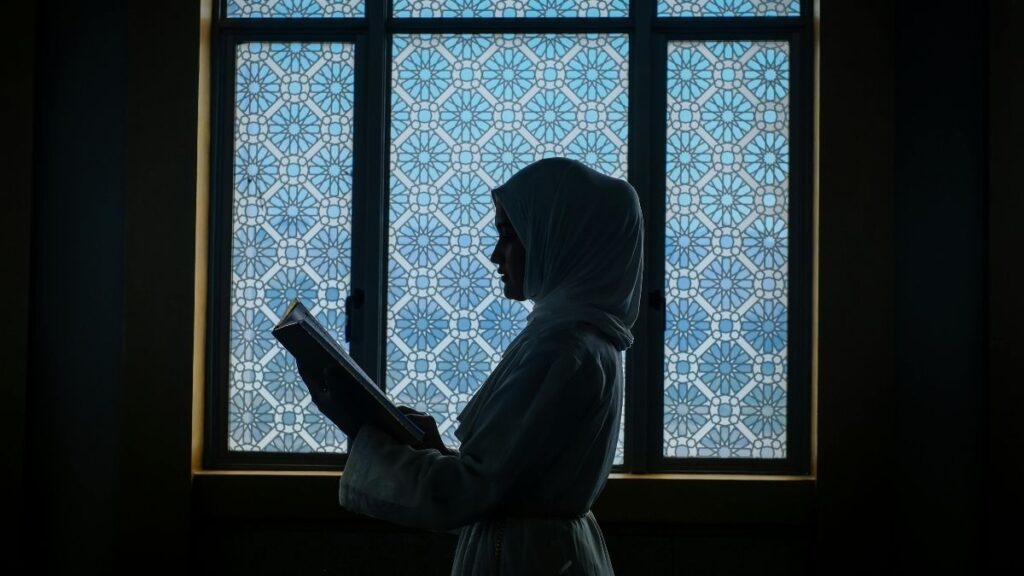
Ah! Those women—
They were not of those who merely passed through our lives in passing, nor did they pass by as strangers. Rather, they dwelled in our lives—in every detail—and gave life to every corner. They were not ordinary women. They were the soul of the home, the pulse of the rooms, the warmth of the days. As if they were created from light, īmān, and an endless patience. No books were written about them, no newspapers narrated their tales, yet they took root in the hearts with a permanence that time could not erase.
They knew nothing of central heating or the comforts of modern appliances. Yet their warmth suffused the entire home and enriched a lifetime. When they walked through the house, the house found its voice, the corners their warmth, and the walls their heartbeat. They needed no many words—their silence was more eloquent than sermons, and their smiles purer than any ease or comfort.
They never studied “psychology,” nor delved into “theories of education,” yet they raised generations who understood the true meaning of manliness and mercy, of modesty and patience. They did not raise with words—but with action alone. With a constant presence, with a love that placed no conditions, with a tenderness that did not need to call attention to itself.
Did they tire, you ask? Yes, they grew very tired, and endured every hardship—but on their faces you saw only contentment. They would rise before dawn, filling the home with the scent of fresh bread, the elevation of ṣalāh, the recitation of the Qurʾān, the murmur of duʿāʾ, the whispers of tasbīḥ. They would light the fire on the stove, blow on the wood, endure smoke in their eyes—just so no one in the house would wake to discomfort or pain. Then they would turn to preparing breakfast, laundry, tending to the children and all that followed—all of it in quietness soaked with sincerity.
And their smile? It was a remedy, a balm, a healing. Their smile was not a mere facial movement—it was a capacity to bear life, an affirmation that everything would be alright, even if it was not. A smile from a heart that knew that Allah does not forsake those who do good, those who give without awaiting return.
And when they visited a home? They would enter with hearts untainted by pride. They would sit with humility, ask about you as if you were their own child, place a tender hand on your forehead, lifting your sorrow with that gesture, making duʿāʾ that would open the gates of the heavens. One of them might gift you a handkerchief scented with rosewater, or a small sweet—but you would feel as though she had gifted you the whole world.
And on the days of ʿĪd? The ʿĪd was not truly ʿĪd except through them. It did not arrive by message or photograph—it came with their presence. The ʿĪd was witnessed in the hands that offered cakes, in the eyes that laughed from the heart, in conversations that began with “kullu ʿāmin wa-antum bikhayr” and ended with sincere supplications.
And if someone fell ill, they didn’t wait to be asked. They would simply know. They would bring a bowl of soup, a glass of water over which the Qurʾān had been recited, or offer only a silent duʿāʾ from their eyes—and stay by your side until recovery.
And if someone passed away, they would come in silence, clothed in black. They would weep without sound, recite al-Fātiḥah as though bidding farewell not just to a person, but to time itself.
Today, as I walk through homes, I do not find their scent. No scent of coffee brewed on firewood, no sound of sewing from the corner, no duʿāʾ whispered before dawn, no footsteps that made a house feel safe. Everything has changed. Even the shelves are empty of the palm-leaf baskets, the Qurʾān pouch, the prayer beads, and the musky rose-scented handkerchief.
They departed—but not as people usually depart. Rather, like candles extinguished—irreplaceable. As though each one of them took with her an entire era and buried it in silence. Their departure was not merely the end of a life, but the end of a time—of true warmth, of simplicity, of contentment.
Each one of them was a school—
A home of wisdom, of patience, of supplication, of mercy.
They nurtured us in silence, taught us through smiles, and supported our hearts with a story, a glance, or a weeping no ear could hear.
May Allah have mercy upon you…
O you who were mothers of hearts before you were mothers of homes.
O you who taught us that giving does not need a voice,
That love does not need an announcement,
That blessing is sown through action,
Watered with patience,
And yields fruit in contentment.
O you, whose departure took with it serenity,
Whose absence drained the barakah,
And brought the stories to stillness.
Original source:
View the original Telegram post.