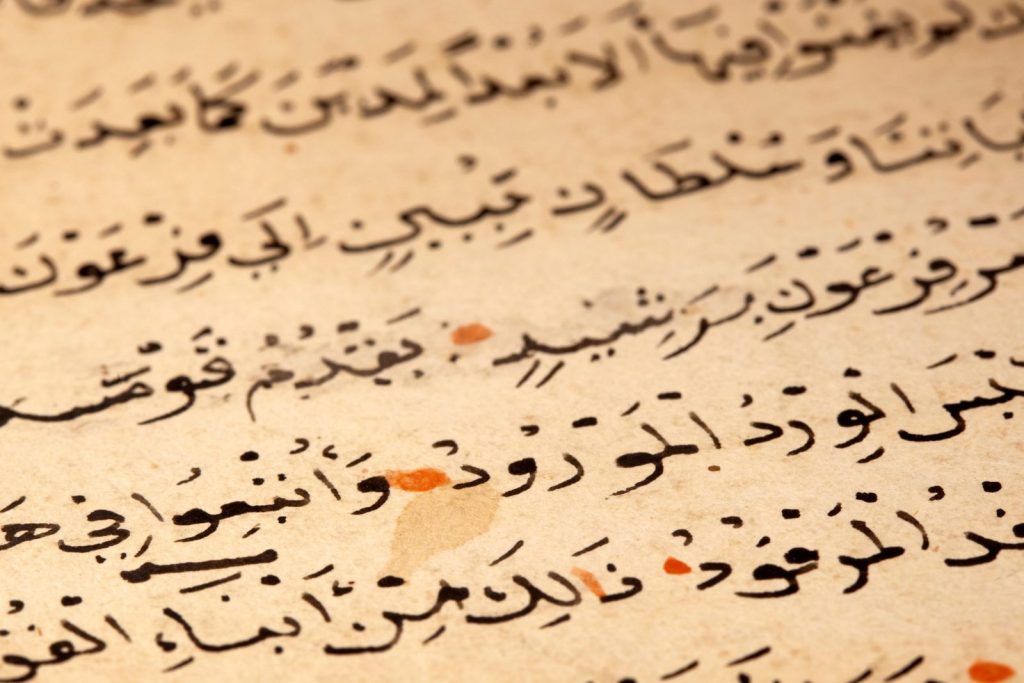
A Letter: The Story of My Student Days at Nadwah

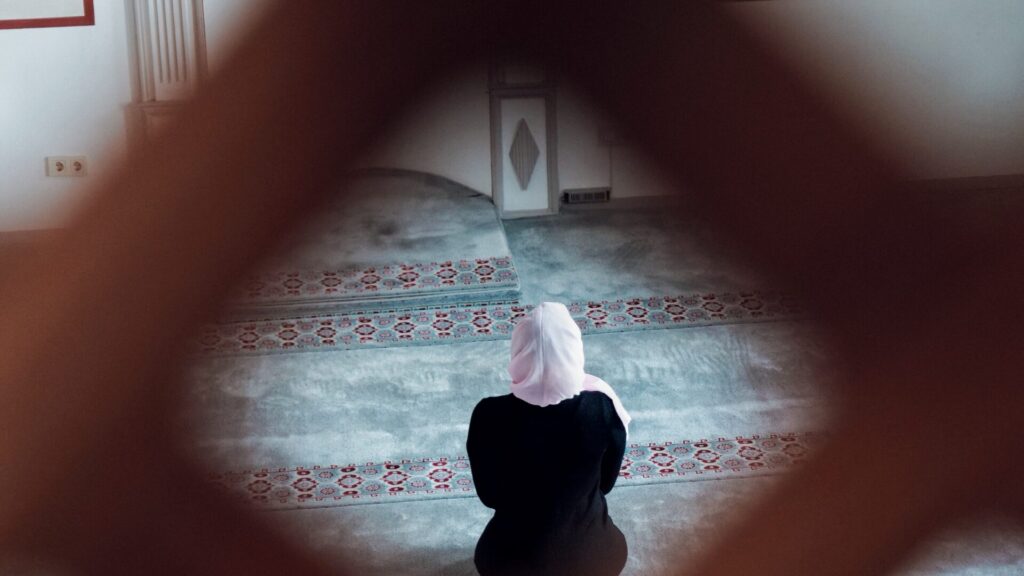
My dear one,
You asked a simple question—yet it opened the sealed chambers of my heart like the sudden arrival of spring on a withered tree. You asked: “How were your student days? Did we truly live without care for sleep, hunger, or comfort, moulding ourselves day and night solely through the pursuit of knowledge?” You posed it in a light tone, as if recalling a simple event. But for me, this question echoes like a cry from the soul—a wound that, despite the passing years, still remains tender.
For many days, I remained crushed under the weight of this question. The nights, fragrant with solitude, kept knocking on the threshold of my mind. Silence echoed within me like the sorrowful hum of a long-lost melody. Eventually, when the light of reflection began to stir the ashes of memory, a familiar fragrance arose—one born only from the sincerity, striving, love, and awareness of knowledge housed within the walls of Nadwah.
Ah, that time—blessed days! When I would bow my forehead to the soil of Nadwat al-ʿUlamāʾ, not only acquiring knowledge, but reconstructing my very self. It was as if I were carving my soul—word by word, verse by verse. Every book, every teacher, every conversation was a mirror through which I tried to recognise the face within. That academic journey was not a ladder of ranks or certificates, but a spiritual struggle, an inner evolution, and a burning path of devotion.
In those days, sleep held no charm, food no concern, desire no sweetness, and clothing no appeal. Time was like a scorching desert, and we ran barefoot across it—only in the hope of discovering a single pearl, a singular gem, a hidden mystery. How can I even begin to describe those luminous yet silent corridors of Nadwah’s nights? The windows filled with hush, the rooms glowing like lanterns—these have become inseparable from my soul.
That floor-bed in my room was not a resting place—it was a pulpit from which I would unlock and reflect on the mysteries of prose by Shiblī, Hālī, Nazīr Aḥmad, ʿAbd al-Mājid Daryābādī, Mahdī Afādī, Sayyid Sulaymān, and Āzād. I would immerse myself in their thoughts, lose myself in their words. I would wrestle with the complex symbols of Mīr and Ghālib. And when I encountered Iqbāl’s words—”From woman’s being comes the colour of the universe,”—I would ponder deeply: What are these colours? From where do these meanings spring? I never saw feminine beauty as merely delicate. I saw it as the pinnacle of creativity, the embodiment of cosmic grace.
Then came Arabic literature—not merely a language, but a prophetic legacy, an Arab civilisation, a speech of eloquence and a sea of spiritual beauty. When I studied the poets of al-Muʿallaqāt, it felt as if the Arabian deserts still echoed with their voices. The poetry of Ḥassān ibn Thābit, Jarīr, Buḥturī, al-Mutanabbī, and al-Maʿarrī—each verse resonated with the beat of my heart, unlocking the sealed depths of my soul.
And then those sacred moments—ah, those sacred moments—when the words of our late teacher, Shaykh Mawlānā Shahbāz Iṣlāḥī, seemed to pour forth with the gentleness of revelation. Listening to him, the heart would rejoice, the eyes would moisten, and the intellect would fall in prostration to obedience. There were other giants of knowledge and literature too—Mawlānā Rābiʿ Ḥasanī Nadwī and Mawlānā Sayyid Wāḍiḥ Rashīd Nadwī—whose every word engraved itself upon the heart. And I would say to myself: This is not just knowledge—this is light, craftsmanship, a new Sūq ʿUkāẓ.
The nights of solitude were my confidants. On the roof of Riwāq Aṭhar, gazing at the stars, I would speak my inner turmoil to those shining points in the sky. I remember one night—pondering over Sūrat al-Ikhlāṣ—my eyes welled up. “Say: He is Allāh, the One”—this verse permeated my very veins. I realised that all knowledge leads to this sincerity of tawḥīd.
Those moments, those prostrations—void of any request or desire—were driven only by a thirst for nearness to the Truth. A thirst no river could quench, no book could satisfy, no argument could resolve. Only that burning, that restlessness, which none but God knew.
My companions—ah, my comrades—those who shared with me the mysteries of al-Bukhārī, Sībawayh, Ibn Sīnā, al-Ghazālī, and Ibn Taymiyyah, day and night. Our intellectual debates sought no victory, no validation—only truth, thirst for sincerity, and passion for gnosis. We never tired—we only became more refined.
But now, my dear one—times have changed. Or perhaps we have. Relationships today are chained by self-interest. The fire of sincerity in hearts has faded, the longing in eyes has dimmed, and promises have lost their faithfulness. Today, when a glimpse of the past sparkles on the horizon of memory, a voice arises from the heart: “Now that you have come to me, what have you brought?”
Neither that heart remains, nor that sincerity, nor that yearning. What once was—was a trust of the past, now stored like an old letter in the chest of my memories. In today’s world, that innocence has become a burden—a crime which the age does not forgive.
O my dear! Know this—if today I carry any light, it is the gift of those nights spent in libraries, those days spent in the shade of teachers, those prostrations in which I asked for nothing, those tears shed solely out of awe of God and love of knowledge, and those solitudes that were, in truth, moments of union with the Divine.
This is my past. This is my legacy. This is my true wealth. And this is the lamp that still lights my heart.
Original source: