Between the Intellect and the Heart

بِسْمِ اللَّهِ الرَّحْمَـٰنِ الرَّحِيمِ
I have previously published several articles explaining the concept of innate disposition (fiṭrah), the sources of knowledge, and the functions of the intellect. These are all interlinked and coherent, and a proper understanding of this new article depends on reviewing them. Therefore, no one should be hasty in judging this piece without first studying those earlier writings.
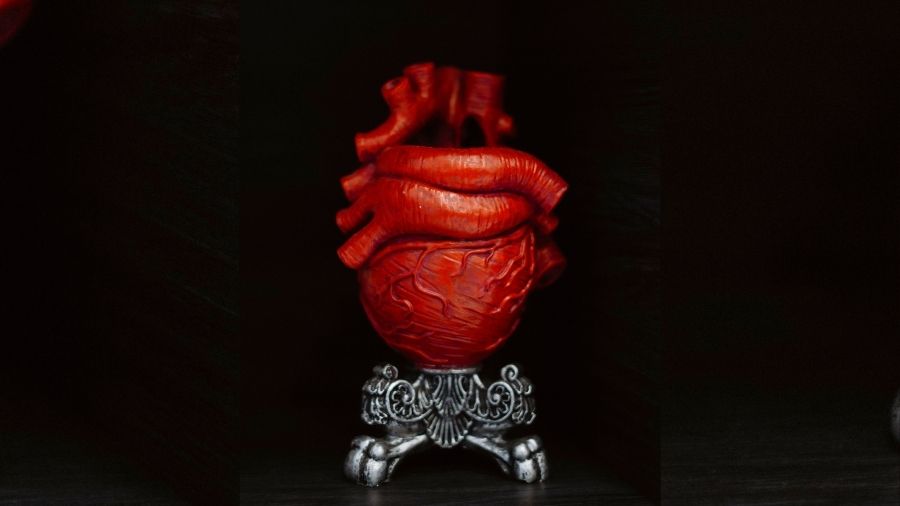
The heart holds the position of a king in the human being, while the senses, the intellect, indeed the entire body and soul, are subject to it. The heart desires what it finds pleasing and is repulsed by what it finds repugnant. If it attains what it desires, it enjoys it and finds happiness; if deprived of it, it suffers and becomes miserable. If confronted with what it loathes, it is distressed and troubled; if saved from it, it is content and joyful. The heart determines what is good and bad based on the fitrah embedded within it, with the assistance of the intellect, which acts as its minister and advisor.
The intellect, as is well known, refers to the five senses in matters of the tangible world and relies on revelation in matters beyond the realm of perception. I have discussed all of this elsewhere. The intellect affirms or denies the existence of things based on these sources and its deductions from them. That is, the intellect issues judgments regarding existence either by inductive reasoning or deductive reasoning. In both material and ethical matters, the intellect is bound by an understanding of causality and connection—meaning the relationships between cause and effect, and reason and consequence. The intellect errs when it issues judgments based on assumptions and guesswork without verifying the soundness of the evidence before it. I have explained the errors of the intellect in a previous article, so I shall not repeat that here.
The heart too errs frequently—it overreaches or falls short—and this occurs for two main reasons:
Firstly, its turning away from fitrah, being overpowered by desire, such that it finds pleasing what it desires and detests what it does not desire.
Secondly, its turning away from the intellect, using it merely to attain immediate pleasures, fleeting enjoyments, material indulgence and apparent gratification, rather than employing it to attain true goodness.
To correct this error, the heart must be urged to respond to fitrah and to heed the counsel of the intellect.
So, what is the innate goodness that the heart should be directed towards in order to attain true happiness? It is that which benefits it and whose benefit endures. Its opposite is evil, whose harm persists. If the heart inclines to transient goodness, it may enjoy it briefly but will then remain in torment when it is lost. This is the secret behind the words of the foremost of truth-seekers, Ibrahim ﷺ: “I do not love those that set.” For loving that which fades away is itself a torment and misery.
And what is the best way for the heart to listen to the intellect? It is to utilise the intellect in pursuit of the demands of fitrah—so that it distinguishes between the pleasures and benefits resulting from following desires and fulfilling lusts, and those pleasures and benefits which satisfy and gladden the fitrah. Likewise, it must distinguish between lasting harms and pains, and temporary ones that lead to enduring pleasure and benefit.
This can only be achieved if the heart is purified and cleansed of filth and impurity. That is why the Prophets called to the purification of the heart: “He has succeeded who purifies it.” The sign of a purified heart is turning in devotion to its Lord and worshipping Him: “And mentions the Name of his Lord, and prays.” In this lies everlasting, enduring happiness.
This article was translated by AI. Original Arabic post available here:
Original source: