Do Not Count Your Istighfar on Beads

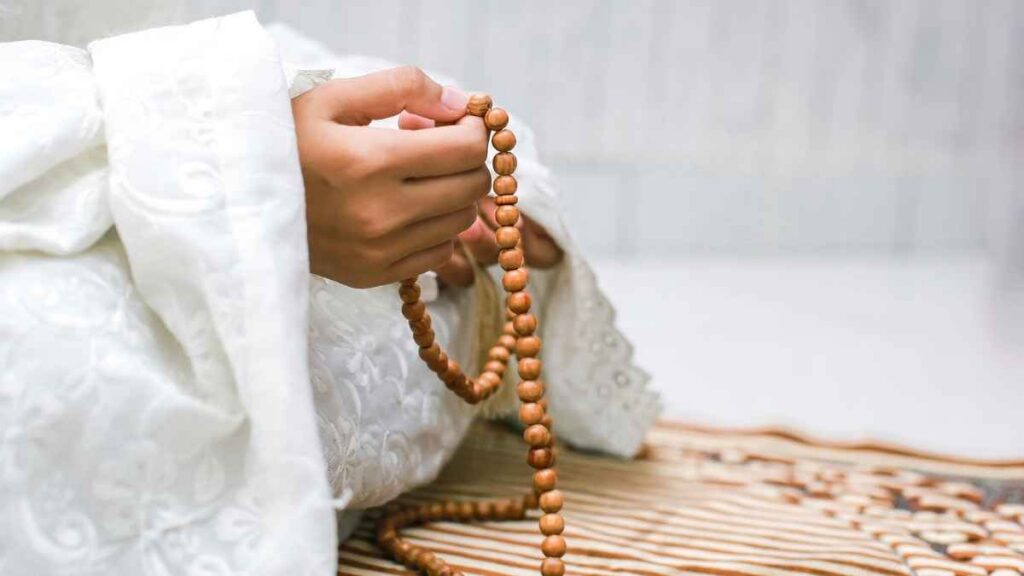
You are proud that in Ramadan you recite Astaghfirullah a hundred thousand times. Some people make a habit of saying Astaghfirullah one hundred times every day. Among you are those affiliated with a Sufi order, repeating the prescribed wazifah of istighfar under their Shaykh’s instruction. Today, I dare to request something from you—stop counting your istighfar on beads, stop your recitations of tasbih, bid farewell to your awrad and waza’if.
Come to me. Tell me—what exactly are you seeking forgiveness for? Which sins are you repenting from before your Lord? You do not even know the answer to this question. You are not even aware of what your mistakes actually are. Perhaps you say that you can’t remember all your sins—and that’s a fair point. I will speak about those later. But first, let us talk about the sins that you do remember, or at least those that you could easily recall.
It is truly unfortunate that you have not learnt the foundational teaching of our religion: how to make proper istighfar and tawbah. Had you done so correctly, you would have become beloved to the Lord of the Worlds. But your heedlessness has distanced you from the Master of the Kingdom. It has alienated you from the way of the Prophets. It has rendered you a dead nation, robbing you of dignity and honour.
Listen—really listen. Tawbah is about regret and shame. If you are truly remorseful over your actions, then muster a little courage and effort—you’ll find yourself easily able to rid yourself of them.
Think—this house, this land, this property and wealth you claim to own—is it truly yours? Might it not include a share belonging to your sisters, paternal aunts, or other relatives? Investigating this is not difficult. Do your research. Return the shares to their rightful heirs. Calculate the benefit you have taken from their wealth and return that too. Then seek their forgiveness for delaying the fulfilment of their rights.
If you have ever betrayed someone, stolen, used another’s belongings without permission, caused pain to a Muslim brother or sister, backbitten them, or wronged them in any way—recall all such infringements of others’ rights, and seek forgiveness from those entitled to it.
Since the time salah became obligatory upon you, have you consistently prayed your five daily prayers? Did you fast the obligatory fasts of Ramadan? If zakat was due on you, did you pay it fully and regularly? If you were financially able, did you perform Hajj? If not, recall these rights of Allah and make up for them as best as you can.
After you’ve done all this, then consider that there are certainly many sins you’ve committed that you don’t even remember—times you showed off (riya’), acted arrogantly (takabbur), were self-admiring (‘ujb), hurt your parents, severed ties with siblings, neglected family obligations, mistreated your neighbours, or deprived fellow Muslims of their due rights.
Once you’ve fulfilled the rights of Allah and of His creation, then, just once—with heartfelt remorse—say to your Lord: “O Allah, forgive me.” You can ask for forgiveness in any language. It is not necessary that your istighfar be in Arabic. Nor is there a specific number. Ask just once with sincerity, and your Lord will forgive all your sins. He will open the gates of blessings from the heavens and the earth and turn His mercy toward you:
“Seek forgiveness from your Lord. Indeed, He is Most Forgiving. He will send rain to you in abundance, and increase you in wealth and children, and provide you with gardens and rivers.”
(Surah Nuh: 10-12)
After this, then yes—do much istighfar, for humans are prone to error. We are constantly committing sins. Cultivate true humility before Allah. Show mercy and compassion to His creation. Know this: if you have not learnt how to do istighfar properly, then you are not truly a Muslim. You are but a shell, a hollow frame of Islam and Iman.
Only a few days of Ramadan remain. Value them. Reflect upon the exhortations of the Prophets mentioned in the Qur’an, and do tawbah and istighfar in the manner described above:
“Has the time not come for those who have believed that their hearts should become humbly submissive at the remembrance of Allah and what has come down of the truth?”
(Surah Hadid: 16)
O my Muslim brothers and sisters! At this moment, I do not wish to greet you with Eid mubarak, nor do I desire to share in your Eid festivities. I bring you no gift of joy. I only want you to awaken sorrow, purchase tears, raise your cries, and purify yourselves before Ramadan ends:
“This is no day of celebration for us, O Arifi.
I sell weeping eyes and purchase tear-stained cloaks.”
—Urfi
Original source: