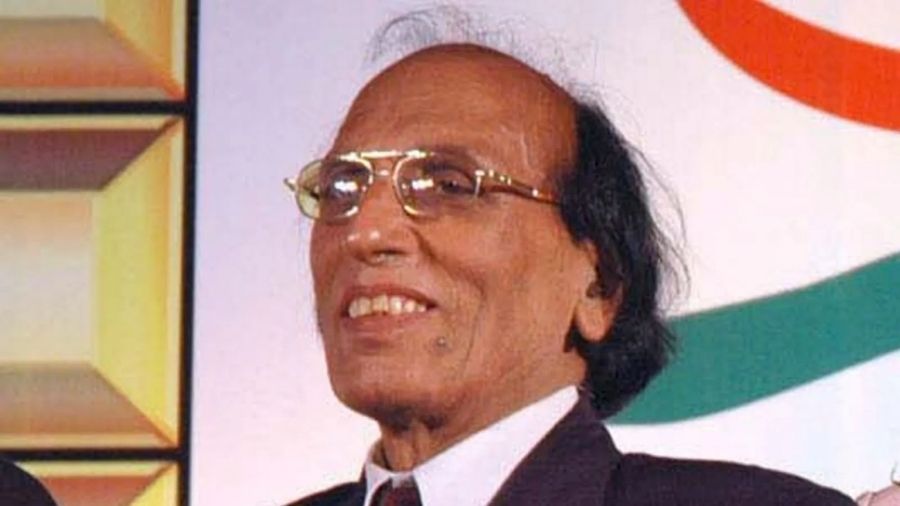
Tribute to Molana Jafar Masood Nadwi

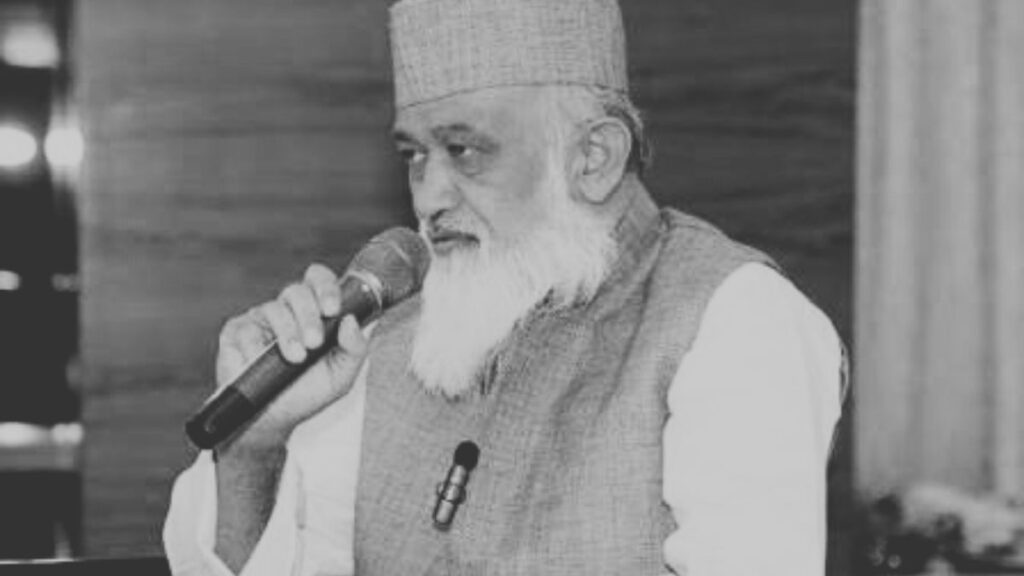
The Compassionate Friend
Once again, Hasan has stirred the tale of his own beauty.
Dr. Mohammed Akram Nadwi is a luminous beacon in the world of knowledge and literature, guiding scholars in defining their intellectual directions and providing literary enthusiasts with the means to fulfill their aesthetic pursuits. His bold interpretations of the Quran, Hadith, history, and the philosophy of history sometimes invite agreement and at other times dissent, for the path of a thinker can be swift at times and faltering at others. Yet, there is no dispute over the freshness of his language, the allure of his style, and the musicality of his prose. The beauty of his writing is such that even opponents cannot help but acknowledge it, while supporters remain enchanted by its charm.
Whatever subject Dr. Nadwi chooses to write on, he approaches it with scholarly responsibility, intellectual dignity, and literary sensitivity. Be it academic discussions or philosophical inquiries, the philosophy of history or the history of philosophy, contemplation in Quranic studies or contemporary interpretations of the Prophetic traditions—his style consistently radiates intellectual elevation, philosophical depth, and literary elegance. His writings evoke an impression and warmth that stir both the reader’s thoughts and emotions, opening pathways for contemplation and reflection.
However, when his writing centers on a personality with whom he has spent precious moments of his life, shared the illumination of scholarly gatherings and the subtleties of spiritual companionship, who was not merely a friend but a confidant of the heart and a sincere companion—his pen is graced with a new dignity, a new subtlety, and a new warmth. It seems as though a delicate layer of love and respect has descended upon the words, and the narrative is imbued with the mingled fragrance of companionship and separation.
The delightful memoir of the compassionate friend, Maulana Jafar Masood Hasni Nadwi—a figure who was the guardian of knowledge, the custodian of literature, and the embodiment of noble ethics. His demeanor was gentle, his thought profound, his conversation dignified, and his personality captivating. In him resided both scholarly majesty and human beauty; he touched hearts and illuminated minds, a man who spread love or, more aptly, a man molded from the essence of love.
When Dr. Nadwi rekindles the memory of such a towering companion, it feels as though his pen is knocking on the closed windows of the past, illuminating the dim figures of memory with new light. This is not merely the remembrance of a friend but a heartfelt testimony in favor of a divine scholar, a distinctive writer, and an unparalleled human being—a testimony filled with the acknowledgment of love and spiritual dignity.
This book is not an account of the experiences of a recluse, a free spirit, or a mystic; it is an enchanting and impactful narrative in which a sincere friend has lovingly, painfully, and intimately chronicled various aspects of his unreserved companion’s personality. It is not just a biographical sketch but a beautiful portrait of the truth of friendship, the warmth of memories, and the bond of the heart.
The author has skillfully presented the personality of this scholar and writer—his scholarly contributions, literary endeavors, moral qualities, and personal habits—in such a manner that the reader cannot help but be impressed by his multifaceted character. The style is both lively and flowing; events are not merely recounted but presented in such a way that each scene comes alive before the eyes.
However, this writing, steeped in love and reverence, occasionally gives the impression that the dry line of analysis is becoming blurred, but… but the truth is that this very love and spontaneous emotional expression have endowed this memoir with its true strength. This hue of love prevents it from remaining merely an analysis, transforming it into a captivating, life-filled remembrance.
In truth, Dr. Nadwi has not only documented his own feelings and experiences but has also represented every heart that has ever seen or heard Maulana Jafar, sat in his company, or had the opportunity to walk a few steps with him. This memoir breathes the same truth, love, and charm that are the hallmarks of the memoirs of those with a heart.
Dr. Nadwi deserves gratitude from every individual whose heart still cherishes the memories of Jafar Sahib and who always remembers the favors of this benefactor in their prayers.
Translation note: This article was translated by AI. View the original Telegram post.