Qiyām al-Layl and Tarāwīḥ
The Question
A friend of Professor Muhammad Arshad has raised the following questions:
• What is the difference between Qiyām al-Layl and the Tarāwīḥ prayer?
• Is it better to perform Tarāwīḥ at home or in the mosque with congregation?
• Are the number of rakʿāt in Tarāwīḥ fixed, or is there flexibility?
• As the blessed month of Ramadan approaches, and as every year debates arise regarding the number of rakʿāt, what should be our religious and ethical attitude in the face of such disagreements?
The Status of Qiyām al-Layl in Islam
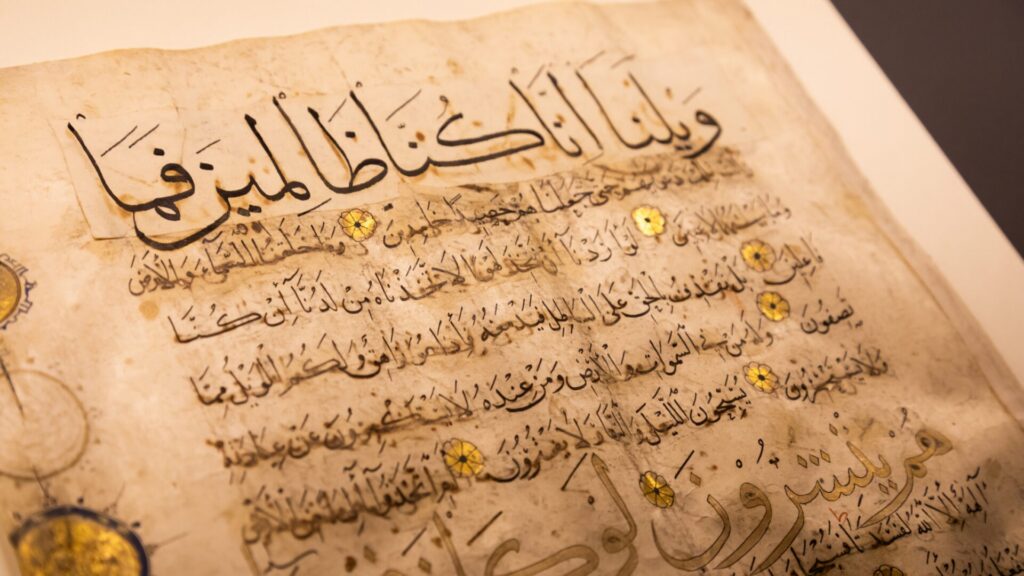
Qiyām al-Layl is among the greatest acts of worship in Islam, repeatedly mentioned in the Qur’an, and strongly encouraged by Allah Himself to His Noble Messenger ﷺ. In the Qur’an it is sometimes called tahajjud and sometimes qiyām al-layl, as in:
• “And from the night, perform tahajjud with it as an additional duty for you.”
• “O you who wraps himself up, stand (to pray) the night except a little.”
• “They used to sleep little of the night.”
These verses show that night prayer is not a seasonal or newly introduced act of worship, but a permanent and beloved devotion from the very beginning of Islam, not restricted to Ramadan but prescribed throughout the year.
The Nature of Tarāwīḥ
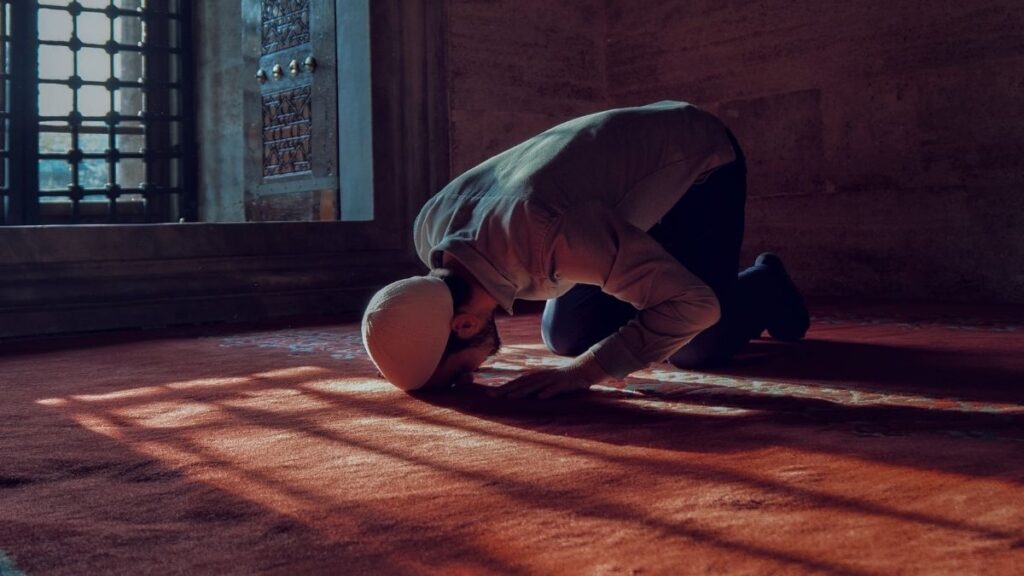
Tarāwīḥ is in reality a special form of Qiyām al-Layl performed in Ramadan after the ʿIshāʾ prayer. In scholarly terminology, the standing prayer performed in the early part of the nights of Ramadan is called Tarāwīḥ.
This name comes from the practice of the early generations, who used to prolong their standing so much that they would rest briefly after every four rakʿāt; this rest was called tarwīḥah. Hence, Tarāwīḥ is a branch of Qiyām al-Layl, not a separate or newly invented form of worship.
Legal Status: Sunnah, Not Obligatory
Tarāwīḥ is a Sunnah act of worship, neither obligatory nor compulsory. There is no command in the Qur’an making it obligatory, nor did the Prophet ﷺ impose it upon the Ummah.
The Prophet ﷺ prayed several nights in congregation during Ramadan, but then discontinued it and explicitly explained the reason: he feared it might become obligatory upon the community. In a sound narration, ʿĀ’ishah رضي الله عنها reports that the Prophet ﷺ said he knew of their gathering but feared that the prayer would be made obligatory.
For this reason, the scholars unanimously agree that Tarāwīḥ is Sunnah, as clearly stated by Imām al-Nawawī.
Congregation in the Time of ʿUmar رضي الله عنه
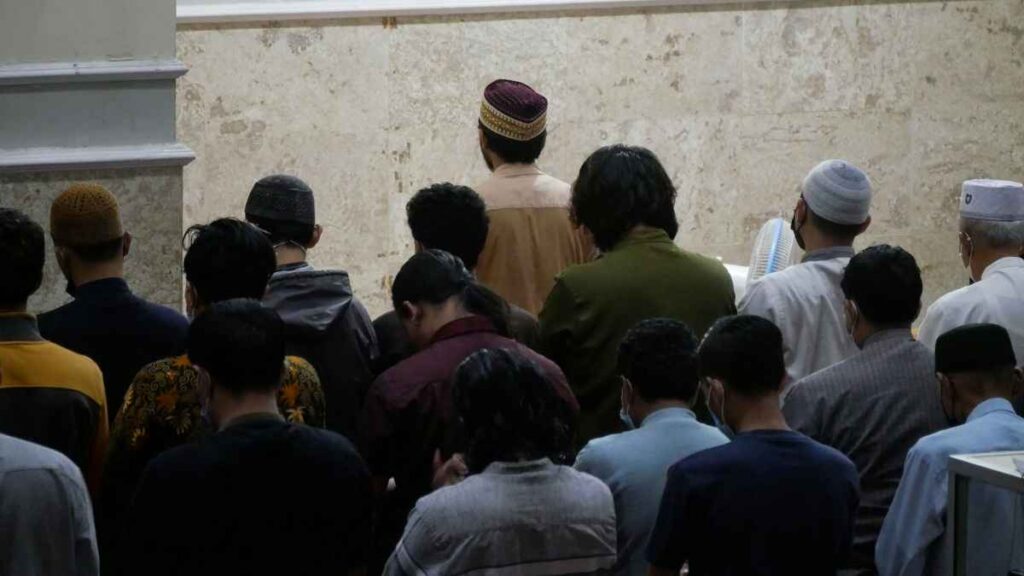
During the caliphate of ʿUmar ibn al-Khaṭṭāb رضي الله عنه, when people began praying in scattered groups in the mosque, he organised them behind one imam for the sake of order and unity and said: “What a good innovation this is.”
Here lies a subtle but crucial point: had Tarāwīḥ been a compulsory congregational prayer like the obligatory prayers, ʿUmar himself would have led it, as he did with the obligatory prayers. Instead, he appointed Ubayy ibn Kaʿb رضي الله عنه as imam. This clearly shows that Tarāwīḥ is fundamentally a voluntary prayer, and congregation was established only for convenience, organisation, and to prevent disorder — not because it was mandatory.
Home or Mosque?
This principle is further supported by the statement of the Prophet ﷺ:
“The best prayer of a person is the one he performs in his home, except for the obligatory prayers.”
Since Tarāwīḥ is voluntary, its original and preferable place is the home. Many Companions used to perform it at home, while others prayed in the mosque due to ease, circumstances, or communal benefit.
Therefore, it is incorrect to claim that Tarāwīḥ must only be prayed in congregation in the mosque. Both options are valid, and each person may choose according to his situation, sincerity, and level of devotion.
The Number of Rakʿāt: Flexibility and Breadth
The Sharīʿah has not fixed any strict number for the rakʿāt of Tarāwīḥ. From the time of the Companions and later generations, there has always been flexibility.
• The majority of Companions and jurists practised twenty rakʿāt.
• The people of Madinah sometimes prayed more than this.
• Some scholars adopted fewer rakʿāt.
The famous narration of ʿĀ’ishah رضي الله عنها mentioning eleven rakʿāt relates to the Prophet’s tahajjud and witr, not specifically to the congregational Ramadan prayer.
Hence, the Prophet ﷺ laid down a general principle: “The night prayer is two by two.” The emphasis is not on numbers but on quality, humility, and tranquillity.
Imām Ibn Taymiyyah, Imām Aḥmad, and other leading scholars explicitly stated that increasing or decreasing the number of rakʿāt is all permissible, since no fixed number has been prescribed in the texts.
The Real Problem: Speed Without Tranquillity
The real problem is not whether the rakʿāt are more or fewer, but the attitude of some people who rush merely to complete numbers, praying with extreme speed, neglecting proper recitation, bowing, prostration, and tranquillity.
The Prophet ﷺ clearly stated that a prayer without tranquillity is not a valid prayer. The purpose of Tarāwīḥ is standing before Allah, remembrance, recitation of the Qur’an, and humility of the heart — not the mechanical counting of rakʿāt.
Ethics of Disagreement and the Spirit of Ramadan
In summary:
• Tarāwīḥ is a Sunnah prayer.
• There is legitimate flexibility in its form and number.
• Its true aim is sincerity, humility, and seeking Allah’s pleasure — not argument, polemics, or harshness.
Ramadan is the month of mercy, forgiveness, and unity of hearts, not of dispute and conflict. The Prophet ﷺ said that the most disliked person in the sight of Allah is the one who is excessively argumentative.
Therefore, the greatest thing to avoid in this month is quarrelling in religious matters, stubbornness, and belittling others.
A Final Principle
It can be said with complete confidence that a person who, for some reason, does not pray Tarāwīḥ but avoids quarrelling, does not attack intentions, and does not harm the unity of the Ummah, is better in the sight of Allah than one who prays twenty rakʿāt yet turns religion into a battlefield of disputes.
Acceptance of worship depends not on numbers, but on the state of the heart, sincerity, and good character. We should adopt this breadth ourselves and make religion easy and beloved for others. This is the spirit of Ramadan and the true demand of the Prophetic Sunnah.
⸻
Dr Mohammed Akram Nadwi (Oxford)