
Your question: Can women who missed some days of their their fasting in Ramadan due to menstruation or post-natal bleeding combine the intention of making up the missed days of fasting in Ramadan with the commended six days fasting in Shawwal? My response: Women in the state of menstruation or post-natal bleeding are not allowed… Continue reading Women doing qada’ of their missed fasts
Fasting six days in Shawwal

Your question: How important is fasting six days in Shawwal? My response: Abu Ayyub al-Ansari, may Allah be pleased with him, reported from Allah’s Messenger ﷺ, that he said: “For one who observed the fast of Ramadan and then followed it with six days of fasting during the month of Shawwal, it is as if… Continue reading Fasting six days in Shawwal
Religious emotion and self-knowledge

People often confuse the intensity of an experience or feeling with the reality and authenticity of that experience or feeling. This applies very much to religious and devotional exercises. Both these can induce states of minds like trance or even unconsciousness. Because of the emotional intensity, people who get into such states can become convinced… Continue reading Religious emotion and self-knowledge
Inculcate good etiquettes, O students of Hadith!
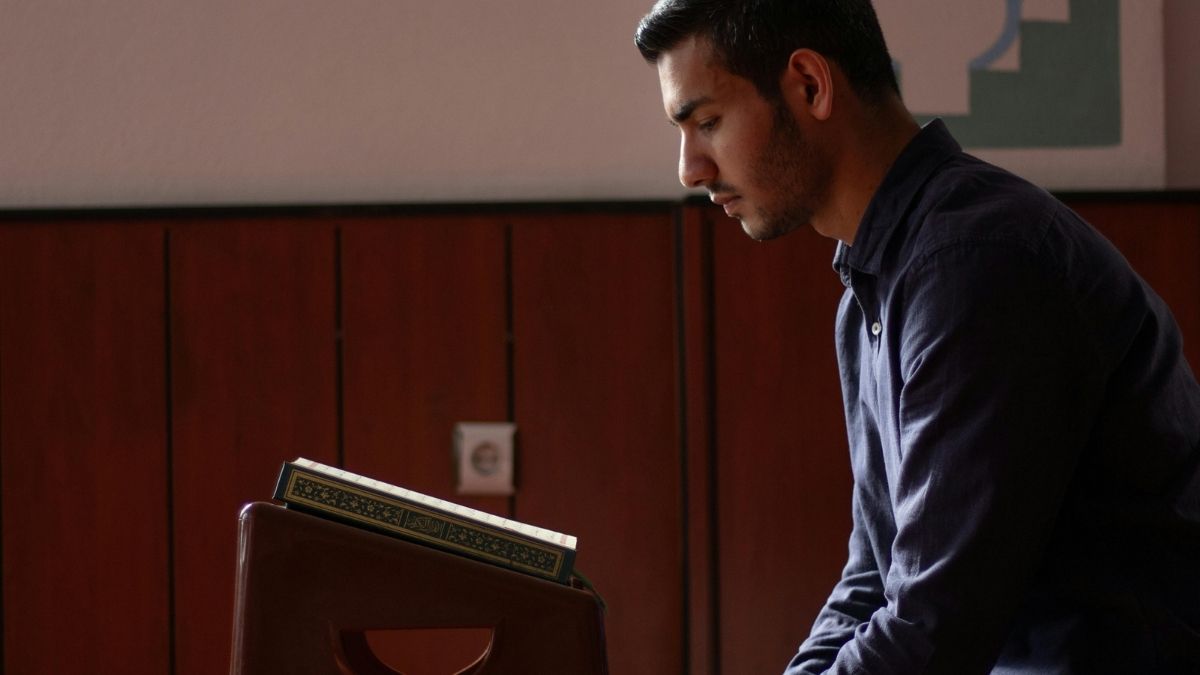
By Dr. Mohammad Akram Nadwiand translated by Syed Huzaifah Ali Nadwi To access the original arabic, follow this link There are many types of students of Ḥadith, the best of them are those who study the books of Ḥadith from both aspects of the usūl and the furūʾ with a complete grasp of the asānīd,… Continue reading Inculcate good etiquettes, O students of Hadith!
The Soundness of Ṣaḥīḥ Bukhārī
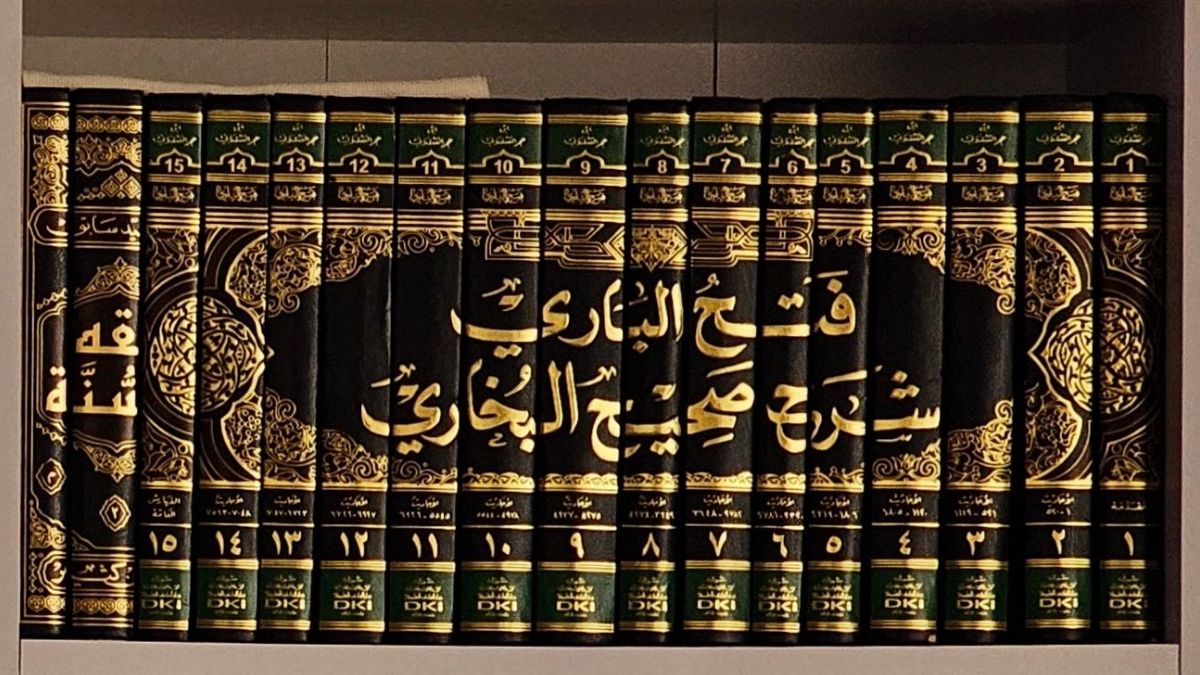
By this link It must be known first that ṣaḥīḥ is a specific scholarly term that is used for a ḥadīth report which is transmitted by upright and precise individuals through a chain of transmitters (isnād) without discontinuity or deception, and free of all contradictions, overt or hidden, that would affect its attribution to its… Continue reading The Soundness of Ṣaḥīḥ Bukhārī
Wisdom, Good Instruction and Argument
By this link: What is the meaning of the verse: “Invite to the way of your Lord with wisdom and good instruction, and argue with them in a way that is best.” ? I replied: You would have achieved real success were you to truly understand the meaning of this verse, for most people have… Continue reading Wisdom, Good Instruction and Argument
Not being able to take a bath after menstruation

Your question: If a woman’s menstruation stops while she is at work or travelling and she is not able in that situation to take a bath (ghusl), is she allowed to miss the obligatory prayers (i.e., defer them until the time when she can take a bath)? My response: Prayer (salah) is the firmest of… Continue reading Not being able to take a bath after menstruation
Those eligible to receive zakah

Your question: Who should I pay my zakah to in the West? My response: The qualification in the question, “in the West”, does not have much significance for the answer, except that in the West, Muslims however numerous, do not (or do not yet) organise the collection and expenditure of zakah as a state function.… Continue reading Those eligible to receive zakah
Breath Control

Your question JazakAllah for the detailed response. It really helps. May I ask one more question, as it is slightly connected to the previous one? Is guided meditation allowed? In this case, someone guides you to focus on your breathing and then asks you to imagine gathering all the negative emotions that have been keeping… Continue reading Breath Control
Sunnah and Ḥadīth

By this link: What is the meaning of sunnah? The technical meaning of the term is a way or practice that was established and pursued by the Prophet ﷺ, and then by the Rightly Guided Caliphs, the rest of the Companions, and the leading figures in the generations that followed them. And what is the… Continue reading Sunnah and Ḥadīth