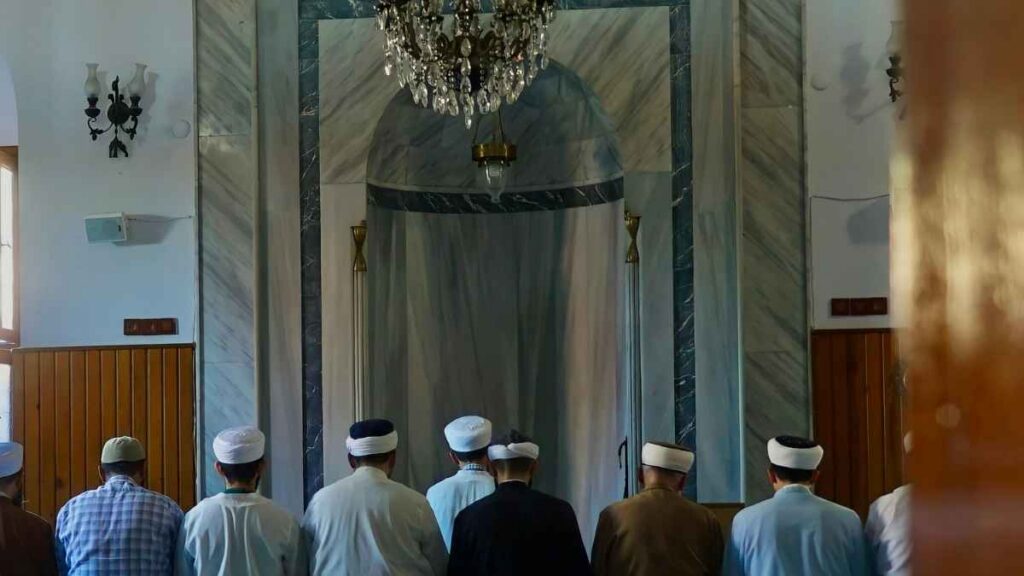
Women and Modesty

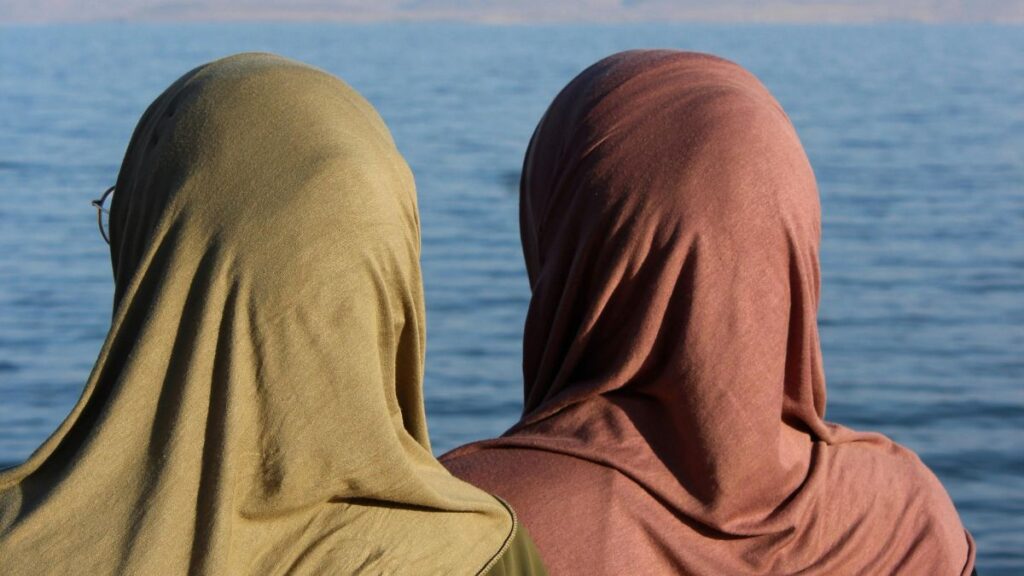
Dr. Syeda Hina Fatima, a resident of Mumbai, is a pious and virtuous woman actively engaged in the field of women’s education and upbringing. She asked: What are the rulings regarding women’s modesty and covering (satr)?
—
Answer:
It goes without saying that there is no hijab between a husband and wife. Beyond the husband, a woman is required to observe modesty with everyone else, male or female. However, the rulings for this modesty are not uniform and vary depending on the context. Below is a detailed explanation of these rulings, excluding those related to leaving the house, which will, insha’Allah, be discussed in a separate article.
—
Basic Hijab:
With the exception of the face, hands, and feet (according to the Hanafi school), the rest of a woman’s body is considered ‘awrah (to be covered).
Allah states in the Quran:
“And [tell the believing women] not to reveal their adornments except that which [necessarily] appears thereof.” (Surah An-Nur, 24:31)
Some scholars interpret “that which appears” to mean the face, hands, and feet. Abdullah ibn Umar (may Allah be pleased with them) stated:
“It refers to the face and the hands.”
(Musannaf Ibn Abi Shaybah, 9/281)
Similar views have been narrated from Abdullah ibn Abbas, Saeed ibn Jubair, and Mak’hul (may Allah be pleased with them).
(Musannaf Ibn Abi Shaybah, 9/282-283)
Imam Hasan al-Basri said it refers to the face and clothing, while Imam Shafi’i opined that it means the face and hands. This understanding is supported by the four Imams and a large group of scholars:
Kitab al-Mabsut by Al-Shaybani (3/56)
Al-Mabsut by Al-Sarakhsi (10/153)
Al-Muwatta’ as narrated by Yahya (2/935)
Nazar fi Ahkam al-Nazar by Ibn al-Qattan (p. 143)
Al-Madawwana (2/334)
Kitab al-Umm by Imam Shafi’i (1/89)
Sunan al-Kubra by Al-Bayhaqi (7/85)
Al-Insaf by Al-Mardawi (1/452).
Later scholars, fearing the possibility of fitnah (temptation), mandated covering the face as well. However, fitnah is a temporary condition and should not be turned into a permanent ruling.
It is important to note that excluding the face from the hijab does not mean men are allowed to stare at women. Both men and women are commanded to lower their gazes in such situations, as will be detailed in another article.
This modesty requirement applies to prayer and situations where women may encounter non-mahram men within private spaces. Details for public spaces will be addressed separately.
Understanding the Term Khimar:
The Quran states:
“And let them draw their khimar (head coverings) over their chests.” (Surah An-Nur, 24:31)
From the context of this verse, it is clear that women should cover as much of their bodies as possible, including their hair.
Aisha (may Allah be pleased with her) narrated that the Prophet ﷺ said:
“Allah does not accept the prayer of a mature woman unless she wears a khimar (head covering).” (Sunan Abi Dawood, Kitab al-Salat)
Similarly, Umm Salamah (may Allah be pleased with her) reported asking the Prophet ﷺ:
“Can a woman pray in a long dress and khimar without wearing trousers?” He replied:
“If the dress is long and loose enough to cover the tops of her feet, then [it is permissible].”
(Sunan Abi Dawood, Kitab al-Salat)
It is surprising that some individuals attempt to reinterpret the meaning of khimar. It is crucial to understand that the intended meaning of a word is derived from its usage within the full sentence and context. When the Quran states, “Let them draw their khimar over their chests,” it specifies the use of the head covering to conceal the chest.
Historically, khimar was understood as a head covering, and this meaning was unanimously accepted by the Prophet ﷺ, his companions, and subsequent scholars.
—
In the Presence of Mahram Men:
A woman may expose her face, head, arms, and legs in the presence of her mahram men (father, son, brother, etc.), while the rest of her body should remain covered. For example:
Mahram men may touch a woman’s clothing to assist her, such as helping her onto a ride.
However, it is prohibited for a mahram to look at her stomach, back, or thighs. (Hidayah, 7/205)
—
Among Women:
Women should cover from the navel to the knees in the presence of other women. Imam Marghinani explained:
“One woman may look at another in the same way a man may look at another man.” (Hidayah, 7/203)
This does not mean women should unnecessarily expose themselves but clarifies that accidental exposure within these limits is not sinful.
—
In Emergency Situations:
The rulings mentioned above apply to normal circumstances. However, in emergencies, it is permissible for a man to see a woman’s face or interact with her for specific needs, such as:
A judge may look at a female witness’s face during testimony.
A man may look at the woman he intends to marry.
A male doctor may examine a female patient if necessary and no female doctor is available.
Women may perform ablution in the presence of non-mahram men when necessary, as narrated:
“During the Prophet’s time, men and women would perform ablution together.”
(Sahih Bukhari, Kitab al-Wudu)
Similarly, female doctors may expose their arms if necessary for their duties. Imam Abu Yusuf stated:
“It is permissible to see a woman’s arms, as women need to expose their arms while baking bread or washing clothes.”
(Al-Mabsut, 10/153; Hidayah, 7/196)
For further details, refer to my article here:
Original source:
View the original Telegram post.