Introduction

All praise is due to Allah, Lord of all worlds, and may His peace and blessings be upon His Messenger, Muhammad, the truthful and trustworthy, the Seal of the Prophets, the most honorable of the messengers, and upon his family, companions, and all those who follow them with goodness until the Day of Judgment.
—
About the Book:
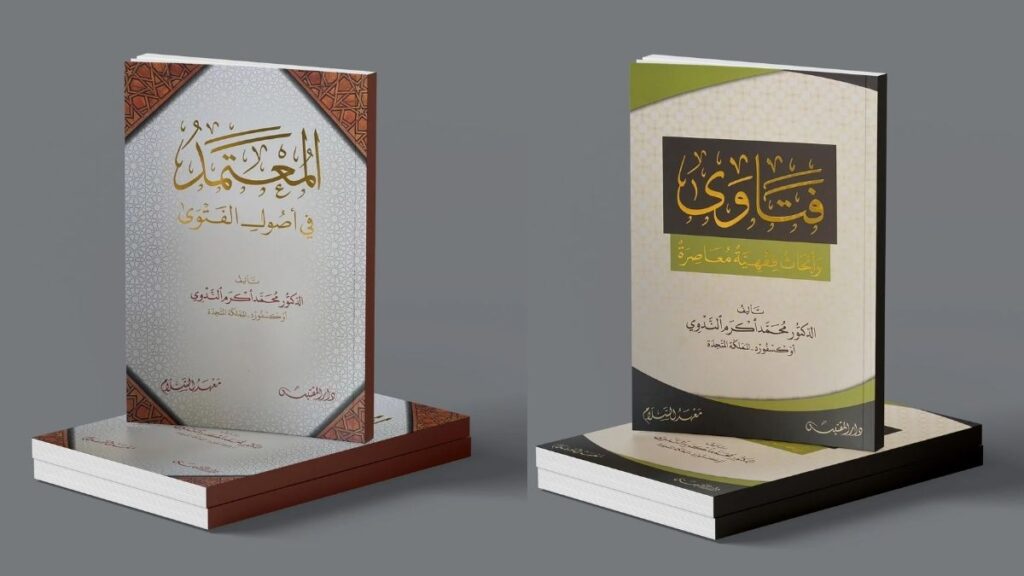
Some months ago, I published two books:
“Al-Mu’tamad fi Usul al-Fatwa”
“Fatawa wa Abhath Fiqhiyya Mu’asira” (Fatwas and Contemporary Jurisprudential Research)
While reviewing fatwas in both Arabic and Urdu, I found that most of them adhered to rigidity and imitation, often lacking references from the Qur’an and Sunnah.
—
Discovering Sheikh Dr. Jassim bin Mohammed Al-Jaber’s Work:
However, when I came across the “Qatari Fatwas” by Sheikh Dr. Jassim bin Mohammed Al-Jaber, I found a refreshing approach different from traditional works. His work stood out for its:
Creativity
Precision
Appeal to intellect and hearts
—
Comprehensive Coverage:
These fatwas cover various topics like:
1. Acts of Worship
2. Financial Transactions
3. Family Matters
4. Inheritance
5. Food and Adornment
6. Medicine
7. Sports and Games
8. Contemporary Issues
—
Grounding in Qur’an and Sunnah:
The author emphasized referencing fatwas to the Qur’an and Sunnah, providing clear evidence and connecting Muslims to Allah and His Messenger.
For example, he says about praying on an airplane: “Fear Allah as much as you are able.” (Page 30)
—
Making Islamic Rulings Accessible:
Sheikh Al-Jaber’s fatwas are written in language that resonates with the average person, avoiding complex legal jargon. His approach balances precision with simplicity, making Islamic teachings more approachable.
Example: When asked about responding to a recorded call to prayer, he said: “A recorded adhan does not require a response because it is not a real adhan performed at the actual time.” (Page 11)
—
Connecting Faith and Knowledge:
What drew me to these fatwas and their author is the sense of faith, good character, and Islamic devotion that shines through his work.
He concludes one of his fatwas by saying: “We ask Allah to grant victory to our brothers in Gaza and bless us with the opportunity to pray in Al-Aqsa Mosque as victors.” (Page 14)
—
Need for Thoughtful Fatwas:
Our need for these scholarly, thoughtful, and educational fatwas is greater now than ever before. This collection is a valuable gift that provides clear guidance, helping people cultivate spiritual and ethical values.
If these fatwas inspire the reader to increase their faith and draw closer to Allah, then that is the true success of this work.
—
Closing Prayer:
I pray that Allah grants acceptance to this collection and blesses its author with more honor and distinction.
Written