Remembering You, Turki!

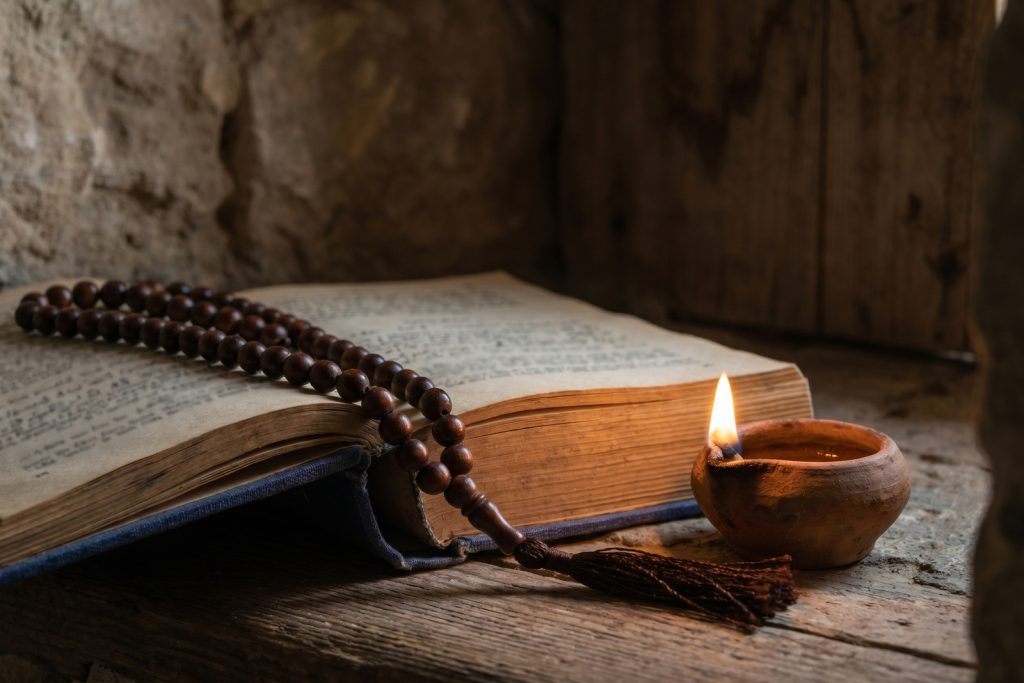
I remembered you, Turki! How often does the memory of a friend visit us unexpectedly, as if the heart has its own hidden management beyond the control of the mind, and as if souls make appointments in a world unseen, meeting when we least expect it. Suddenly, the memory is alive and warm, and the image of a friend emerges from the depths of the soul like a star appearing from behind clouds on a tranquil night.
A person might be engrossed in their affairs, submerged in the noise of life and its burdens, when a fleeting thought passes through the heart like a gentle breeze, transforming the world in their eyes. The past rises alive, though believed to be settled and quiet. I do not know how your memory began in me tonight; was it because I stumbled upon a verse of poetry that seemed to carry something of your spirit? Or because I heard people discussing knowledge in a manner more akin to market chatter than scholarly discourse, reminding me of your calmness, and the difference between those who love knowledge as nourishment for the soul and those who use it as adornment for appearances and gatherings?
Perhaps it is simpler and deeper than all this; perhaps good souls never truly vanish, even if they are hidden from sight. They remain nestled in the depths of the heart, and when the heart clears a little or the soul softens for a moment, that memory emerges from its hiding place like fragrance from a flower when touched by the dawn breeze.
You, Turki, are among those who never disappear even when absent, for they leave an imprint on the soul not created by fleeting gatherings or brief companionship. I have known many men in my life; some you meet and forget before they part from you, some weigh heavily on your spirit as if their presence is a form of examination, and some fill the world with talk of themselves, their knowledge, and their literature, yet behind this noise lies nothing but emptiness, inflated like a drum.
But you are something else, for you are among those whom one loves gradually, and then wonders how they ever lived before knowing them.
Some have reproached me for forming a bond of friendship with a man younger than myself, as if friendship is measured by years like merchants measure cloth by yards! How narrow is the understanding of people when they apply calculations to matters beyond calculation. Let them indulge in their discussions.
Souls, O Turki, are not measured by the number of years but by the purity, intellect, and character Allah has placed within them. How often have we seen an elder whose soul has not matured despite their age, and a youth who, after an hour of companionship, seems to have witnessed the vicissitudes of the world, known people, and experienced life as seasoned elders do.
The ancients used to say that souls have lifespans different from those of bodies, and I believe your soul was born long before your body.
You are a son of Mecca, and Mecca, O Turki, is not a city like other cities mentioned as other places are. When people speak of a city, they mention its streets, houses, and markets, but when Mecca is mentioned, a sense of reverence stirs within them, voices lower without intent, and one feels they are in the presence of something where earth mingles with supplication, history with sanctity, and the world with a touch of heavenly light.
You have taken from Mecca the best it has to offer; within you is the gentleness of its people, their calm nature, and that sweet grace evident in the faces of those who have long lived near the Sacred House, as if tranquility has become part of their features.
I have visited Mecca often, praise be to Allah, and you have often met me there! It seemed to me that the city had a gate only you could open. You welcomed me as a friend rejoices in a friend, with no affectation or pretense, guiding me through the streets, neighborhoods, and gatherings of Mecca, making the journey lighter and the estrangement less severe, as if in some faces one finds a small homeland to which they can retreat.
I have accompanied you for a long time, and I have seen in you a combination of qualities rarely gathered in a man of this age; you are a narrator who loves literature, a literate person unspoiled by pretension, witty without losing dignity, and religious without frowning at people as if tasked with their punishment.
I have known people who, upon reading some hadith, believed that smiling was a deficiency in religion, and others who, after memorizing a few verses of poetry, imagined that Al-Jahiz had bequeathed them literature and Al-Mutanabbi had left them pride, yet in them, you find nothing of literature but noisy tongues and heavy spirits.
But you, Allah has saved you from all this, granting you a beautiful balance, as if your soul knows the value of everything. Knowledge has not spoiled your wit, literature has not diminished your dignity, and religion has not led you to grimness.
What amazes me most about you, O Turki, is your sincere love for the Prophetic hadith. In this era, I have seen people talk about books more than they read them, cherish the images of libraries as the ancients cherished the libraries themselves, and collect the names of scholars like children collect stamps and toys.
But you read with the love of a serene lover, sit with scholars with the humility of a respectful student, and carry books with gentleness and reverence, so much so that an observer might think you are carrying something alive, not mere pages.
I have often witnessed you speak of early and contemporary hadith scholars as if you lived among them! You recount their stories, journeys, and perseverance in seeking knowledge, making one feel that your heart has traveled with them from the noise of this age to those times when people traversed deserts and wastelands for a single hadith, not for a picture to be published, a name to be broadcast, or applause to be heard.
Despite your intense care for hadith, you are not dry of spirit nor heavy of nature; rather, Arabic literature flows within you like fresh water in a clear river.
I have heard you speak of poets as if discussing friends! To you, Al-Mutanabbi is not an ancient poet whose verses are memorized and forgotten, but a living spirit, full of pride, wisdom, rebellion, and that deep sorrow hidden behind the grandeur of poetry. Abu Tammam is not an obscure name tossed around by critics, but a brilliant mind that sparkles in language like lightning in a rainy night.
I have spent unforgettable nights with you in Mecca; we would sit as night drew its curtains, people returning from prayer or retiring to sleep, and you would recite poetry in a calm, composed voice, without noise or affectation, occasionally breaking the recitation with a light anecdote perfectly timed, bringing laughter to the gathering without vulgarity.
Perhaps the most beautiful thing about you is that you do not feign any of this; you do not pretend to be dignified as some pseudo-scholars do, nor do you wear culture heavily on your face, making people feel that literature is a disease of the soul, nor do you recite poetry like orators seeking applause more than understanding.
Instead, knowledge, literature, and wit are naturally blended within you, as if they were created with you from the beginning.
You are good company with your family and children, gentle in spirit, not letting books take you away from your home, nor allowing literature to steal you from your family. This is a rare trait; some cultured individuals, upon marrying, believe that family is a conspiracy against reading, and that children were created only to disturb researchers and interrupt their solitude!
But you have given knowledge its due, your family their due, and have navigated between both with beautiful ease, without disturbance or affectation.
I remembered you, Turki, and with you, I remembered the nights of Mecca, the scent of old books, the voices of poets, and gatherings where seriousness mingled with jest without corruption, and the pure friendship that has become rare in this age.
I believe the secret to people’s love for you is that you remained true to your nature; fame did not spoil you, pretension did not burden you, and knowledge did not make you arrogant towards people. You remained that man who, when present, brings joy, when speaking, benefits, and when absent, leaves a gentle void in the soul that many cannot fill.
May Allah preserve you, Turki, and continue to bless you with the grace of knowledge, literature, and a light spirit, making you among those who, when remembered after their absence, remind people not of a single man, but of a beautiful, complete era where friendship was truer, literature purer, and souls closer to simplicity and loyalty.