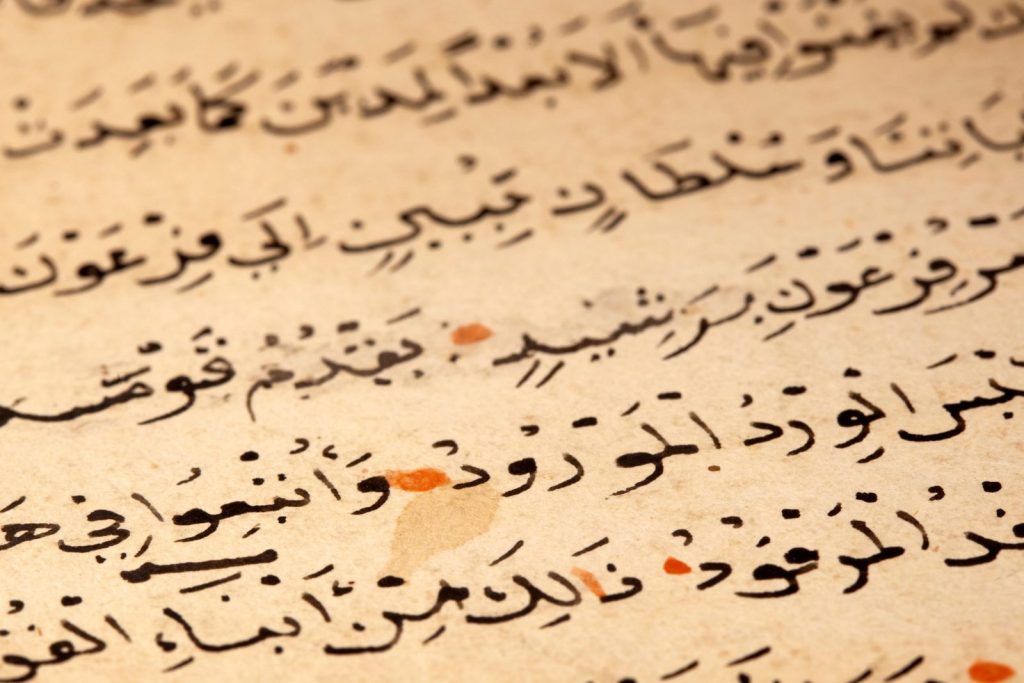
Reminder: Ramadan takes pride in the fasting and nightly devotions of the Muslims

Layla takes pride in her love for Qays al-‘Āmirī, that love which wandered through the deserts of Najd, yet was only made purer by its wandering, and truer by its trial, until it seemed a spirit unbound by land and unconfined by time. And Shirin takes pride in the devotion of Farhād, who refused to yield to the impossible, hewing rock with his resolve and carving through the mountain a river born of his will before it was ever of flowing water. Jacob takes pride in the scent of Joseph’s shirt—a gentle breeze that revived his heart and restored to him the sight of hope after long sorrow had dimmed it. And David takes pride in his melodious voice, to which hearts yielded in humility before ears had even received its sound.
Kings take pride in their armies, for they are their might and their strength; and great minds take pride in what has been bestowed upon them of penetrating thought and sound judgement, by which they are guided through the darkness of doubt and perceive the paths of wisdom.
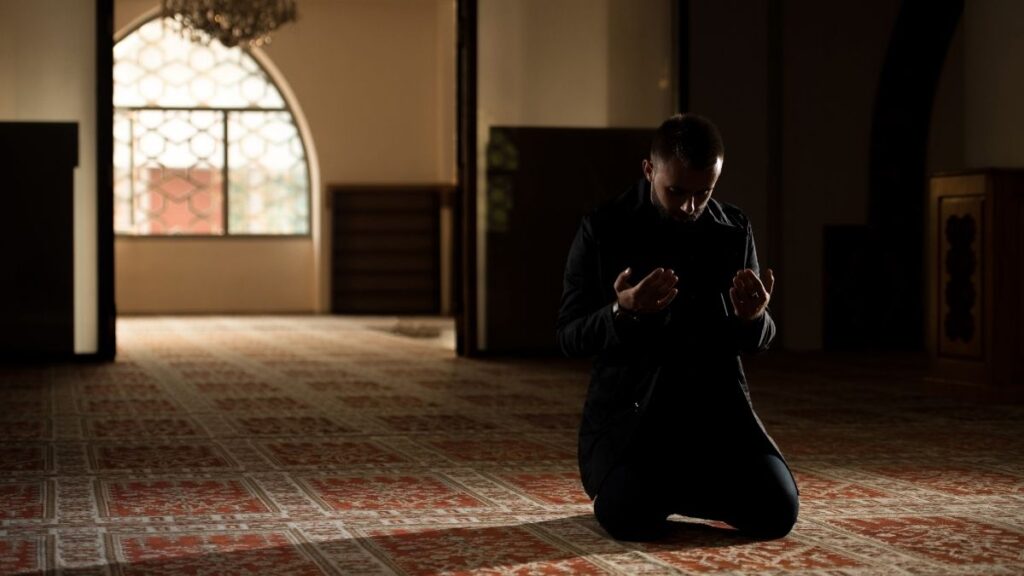
Amidst this procession of pride, Ramadan rises in majesty. It does not glory in ornament seen, nor in outward display, but rather in the fasting and vigil of the Muslims. It takes pride in those souls that rise above their desires and transcend their impulses, until they are refined as though they were a fragment of light. For fasting is a guarded secret: unseen by eyes, beyond the grasp of minds, a hidden covenant between servant and Lord, founded upon sincerity and sustained by truth.
Thus its reward is huge beyond measure, beyond all reckoning; it is for God, and God alone grants recompense for it. As for the night prayer, it is not merely the standing of bodies in the darkness, but the illumination of souls in the nearness of the Divine, and the intimate communion of hearts in the stillness before dawn, where existence grows gentle, life is made serene, and a person feels nearer to their Lord than ever before.
So does Ramadan reveal itself: strength in stillness, greatness in concealment, and a light that flows into hearts, reviving them after dimness and awakening them after heedlessness. And when it departs, it leaves behind an enduring أثر, and a longing that is ever renewed and never extinguished.
(by: Dr Mohammed Akram Nadwi, Oxford, 30 Ramadan 1447)