Insights from the Conference on the Future of Muslims in Europe: Challenges,
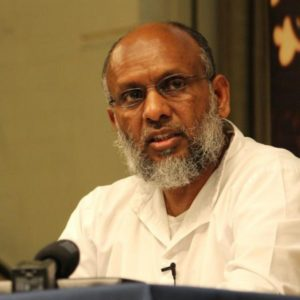
Shaykh Akram Nadwi
Muhaddith & Islamic Scholar

📌 From the Official Telegram Channel of Dr. Mohammad Akram Nadwi
🌐 Source: <a href=”https://t.me/DrAkramNadwi/5632″ target=”_blank”>https://t.me/DrAkramNadwi/5632
Journey to Turkey (14)
🗓️ Sunday, 15th Jumada Al-Awwal 1446 AH
✍️ By Dr. Mohammad Akram Nadwi, Oxford
🌅 Morning Session
The first session began at 10:00 AM in an atmosphere filled with enthusiasm and anticipation. The session opened with an introductory speech by Sheikh Hussein Halawa, the Secretary-General of the European Council. He emphasized the importance of the topics to be discussed and urged everyone to maintain a spirit of constructive dialogue. Sheikh Hussein also announced the formation of a special committee tasked with drafting the final reports and recommendations to be presented at the conclusion of the conference.
📜 Among the committee members was the author of this piece, honored to undertake this significant responsibility of documenting the discussions and compiling practical recommendations to achieve the conference’s goals.
📖 Research Topics Presented
🔹 Morning Session I:
“The Future of Muslims in Europe: Ideas and Challenges” – Dr. Suhaib Hasan
“The Civilizational Message of Muslims” – Dr. Taher Mahdi
“A Reflective Theory on the Objective of Preserving Religion” – by the author
🔹 Morning Session II:
“Responsibilities of the Muslim Community in Guiding New Muslims and Preserving Their Islamic Identity” – Dr. Ekrem Keleş
“The Methodology of Preserving Religion and Religiousness between Commands and Prohibitions” – Dr. Ali Al-Qaradaghi
🔹 Key Insight: Dr. Al-Qaradaghi explained how Islam preceded modern systems by linking success to precise methodology. He emphasized that Islam has its unique methodology as revealed in its divine legislation.
🔹 Evening Sessions:
“The Concept of True Religion” – Dr. Hussein Halawa
“The Impact of Place on Preserving Religion and Religiousness” – Dr. Issam Al-Bashir
“Contemporary Jurisprudential Rulings Related to Migration and Settlement” – Dr. Mustafa Dadash
“The Methodology of Fatwa and Ijtihad in Preserving Religion and Religiousness” – Dr. Khalid Hanfi
“The Theory of Simplifying Fatwa and Its Positive Impact on Muslims’ Lives” – Dr. Taher Mahdi
💔 Concerns for Gaza and Beyond
The discussions revealed deep pain for the suffering of Muslims in Gaza and other troubled regions. Scholars expressed sorrow and anger over the oppression faced by innocents under tyranny. They reminded attendees of the fate of past nations that defied Allah and were destroyed, emphasizing that no tyrant is immune from divine retribution.
🛑 Addressing the Issue of Apostasy
One of the main topics was the rising phenomenon of apostasy. Scholars analyzed its causes and consequences, highlighting the negative role of misleading books and media that distort the true image of Islam. Discussions focused on combating these influences through:
🔸 Strengthening cultural and religious awareness
🔸 Developing educational programs rooted in strong foundational knowledge
🔸 Issuing scholarly responses to refute false narratives
🌟 Benefits of Understanding Maqasid (Objectives of Shariah)
1️⃣ Increased Faith: Deep understanding of Shariah’s objectives strengthens belief in Allah’s wisdom and mercy.
2️⃣ Avoiding Deception: Recognizing Shariah’s intents helps believers avoid manipulative interpretations.
3️⃣ Enhanced Jurisprudence: For jurists, understanding objectives aids in deducing rulings and addressing modern challenges.
⚠️ Caution: While Maqasid assist in understanding, they should not override explicit Shariah rulings. True adherence lies in following the detailed guidance provided by the Qur’an and Sunnah.
🙏 Closing Reflection
I pray that Allah grants us balance and wisdom in our understanding and implementation of Shariah. May He guide us to preserve His religion and protect the Ummah from contemporary challenges.