Administrative and Research Insights from Dr. Mohammad Akram Nadwis Journey
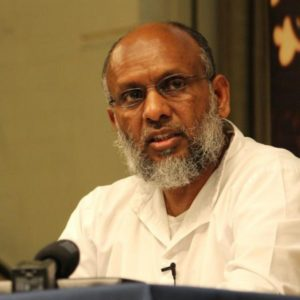
Shaykh Akram Nadwi
Muhaddith & Islamic Scholar

Journey to Turkey (15)
By Dr. Mohammad Akram Nadwi, Oxford
Date: Monday, 16th Jumada Al-Awwal 1446 AH
Source: https://t.me/DrAkramNadwi/5650
Translated by AI; please see the source for the original material as there may be translation errors.
Morning Session I: Administrative Discussions
Time: 9:30 AM
The first session focused on key administrative challenges:
Financial Constraints: Discussions explored the reasons behind the council’s funding shortage and proposed solutions such as seeking new funding sources and strengthening partnerships with supportive entities.
Administrative Efficiency: It was decided to appoint competent and experienced assistants to support the Secretary-General in managing daily responsibilities.
Expanding Membership: Plans were discussed to include influential figures from both Europe and the Islamic world to enhance the council’s international representation and impact.
Action Plan: Steps were outlined with a timeline for execution to ensure effective implementation of these decisions.
Morning Session II: Research Presentations
Time: 11:15 AM to 12:45 PM
Featured research papers:
“Impact of Political and Social Changes in Germany on Muslim Life” – Neda Bseiso
“Jurisprudential Methods for Muslims to Uphold Their Faith Without Clashing with French Laws” – Zakaria Al-Husseini
“Jurisprudence of Preserving Faith and the Missionary Dimensions of Islamic Presence in the West” – Dr. Ameen Al-Hazmi
“The Role of the Council in Guiding Religious Practices” – Dr. Salem Al-Sheikhi
Key Observations:
Emphasized the importance of educating parents on their religious and educational roles.
Training imams and community leaders to interact wisely and empathetically with Muslims of all demographics, fostering a welcoming and supportive environment.
Afternoon Activities
After Dhuhr prayers and lunch, I met with Sheikh Ameen Al-Hazmi and Sheikh Salem Al-Sheikhi to discuss the methodology for drafting reports. The focus was on accuracy and comprehensiveness to reflect the progress and outcomes of the session.
Evening Sessions: Fatwa Discussions
Topics Addressed:
Proof of mahram relationships for children born out of wedlock
Cosmetic eye fillers
Abortion rulings
Working for Amazon and traditional banks
Burial practices involving chemical decomposition
Friday prayers in regions with early sunsets
The sessions followed a respectful, collective discussion format, ensuring well-rounded and credible rulings that serve both current and future generations.
Dinner Discussions
After dinner at 8:30 PM, Sheikh Hussein Halawa and I discussed gender selection in pregnancies. I shared concerns about how this could exacerbate gender discrimination, citing practices in India where female fetuses are often aborted. Sheikh Hussein expressed his preference for daughters, emphasizing their significant societal contributions.
This dialogue reflected the intersection of ethical, religious, and societal issues, handled with mutual respect and understanding.