The Intellectual Decline of the Educated Class

Although the intellectual, cultural and ideological atmosphere of the modern age may appear bright on the surface, a strange darkness confronts us when we examine it closely. This darkness is not the product of ignorance; rather, it is the light of education that has given sight but taken away insight. The very class that was once a mark of distinction for its learning and wisdom has today become estranged from knowledge. Whether they be graduates of traditional madrasahs or modern universities, there is a shared affliction evident among them all: a deficiency in true learning, stagnation in thought, and a turning away from beneficial knowledge.
This is a general critique, not a personal attack on any individual or institution; rather, it is a sign of collective intellectual decline that has eroded the very fabric of our educational and cultural temperament. When one meets a so-called educated person today, it is regrettable to see that despite having spent years studying certain disciplines, they possess neither a foundational acquaintance with them nor a deep understanding. They are unfamiliar even with the basic comprehension of the texts included in their curricula—sometimes they do not even recognise the names of the authors.
This decay is not restricted to the so-called secular sciences; even the domain of religious sciences has not remained immune. When graduates of major madrasahs speak on high subjects such as uṣūl al-fiqh, manṭiq, balāghah, and uṣūl al-ḥadīth, their shallow understanding and limited comprehension are painfully evident. It appears that the meaning of knowledge has been reduced to rote memorisation of phrases. There is neither breadth of understanding, nor the capacity for critical analysis, nor awareness of the purpose and scope of these sciences.
More alarming than this intellectual impoverishment is the absence of a desire to learn. There is no love for reading, no passion for research, and no aspiration for intellectual depth. When sincere advice is offered, or a worthwhile book is recommended, it is taken as an unwelcome intrusion. Indifference to learning has reached such a degree that knowledge is seen as a burden and the pursuit of it a futile labour.
Graduates of modern academic institutions follow the same path. For them, knowledge is merely a professional qualification, useful only for securing a paid job. Their minds neither give rise to intellectual questions nor desire deeper theoretical exploration. They only know what is outwardly necessary for their profession. Beyond that, there is neither longing nor motivation.
In contrast, when we mention those institutions and individuals who did not treat knowledge as merely a means of instruction, but as a path of intellectual refinement, a search for truth, and a means to understand culture and civilisation, an entirely different image emerges. An institution such as Nadwat al-ʿUlamāʾ stands as a shining example that education is not confined to textbooks, but encompasses intellectual growth, critical consciousness, and a constant readiness to read and reflect.
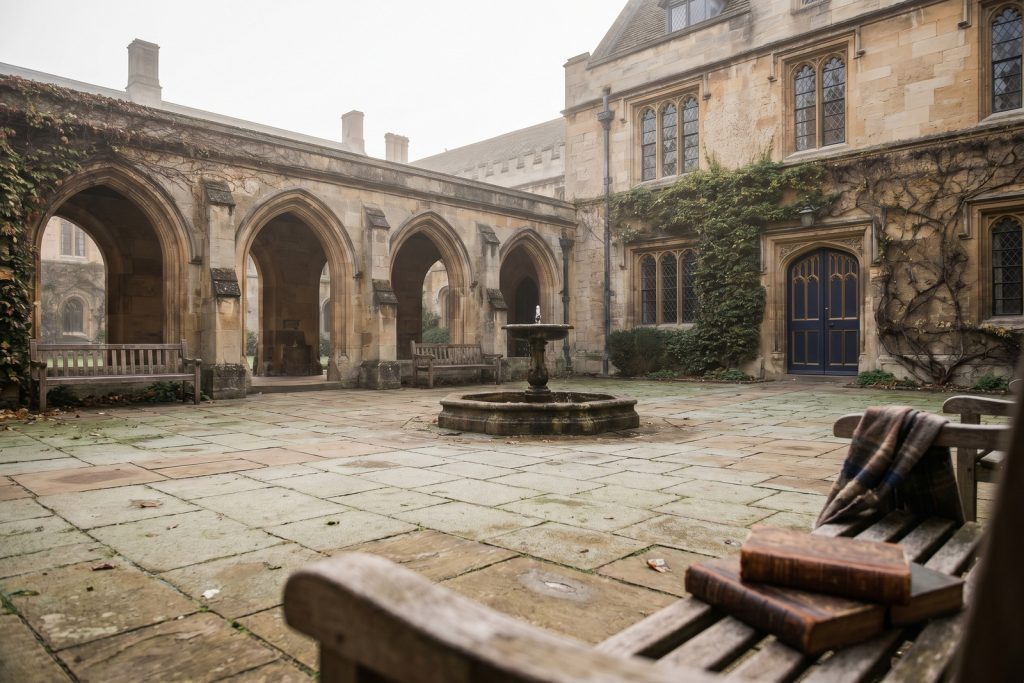
I remember that at Nadwah we studied those works whose fragrance continues to perfume the horizons of thought and reflection. I benefited from non-curricular texts in logic and philosophy, held dear the standard-setting works of Arabic grammar, and the magnificent treatises of the mujtahidīn in ḥadīth and uṣūl al-fiqh. I read the true luminaries of Arabic literature, gained light from both classical and modern authors of Arabic and Urdu language and literature, and engaged with writings that awakened critical thought. At Oxford, I read texts in both Western and Eastern philosophy, studied the history of nations’ rise and decline, explored critiques of ethics and educational theory from various angles, and familiarised myself directly with the arguments of the atheists.
Even now, when a new and valuable book comes to my attention, the heart calls out to it and I gladly embrace its companionship.
This is not said to praise myself, but to illustrate the stark difference in the attitude towards knowledge between times past and the present age. Today, knowledge has declined to such an extent that if immediate steps are not taken to reverse this trend, our educational institutions will become nothing more than factories producing professionals—muftīs, engineers, and doctors, to be sure—but lacking in those endowed with wisdom and understanding who can shoulder the burden of intellectual leadership for the community. We will have individuals who know the etiquette of employment but remain strangers to discernment and sagacity.
The true purpose of education is not merely to obtain a degree or livelihood; it is a sacred duty that nurtures character, refines awareness, and contributes to the elevation of society. The essence of knowledge lies not only in knowing, but in learning, thinking, and benefitting others. Until both our institutions and our students recognise this truth, we will continue to resemble a society that is educated yet devoid of insight.
We must emerge from this superficiality and descend into the depths of true learning. We must go beyond formal reading and embark on a journey of reflection. We must rekindle that passion for seeking which once marked the character of our predecessors. Otherwise, there is a fear that we will become a crowd of degree-holders who are inwardly impoverished, outwardly civilised but inwardly empty—possessing words but not meanings, knowledge but not wisdom, and certificates but not acquaintance with truth.
Disclaimer: This article was translated by AI. Original post: https://t.me/DrAkramNadwi/6434