Death and Funeral Practices in Islamic Tradition: A Theological, Ethical, and Social Reflection
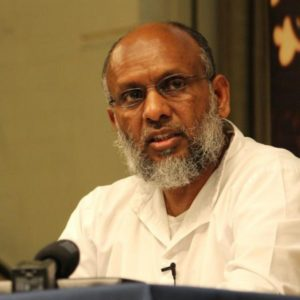
Shaykh Akram Nadwi
Muhaddith & Islamic Scholar

Death and Funeral Practices in Islamic Tradition: A Theological, Ethical, and Social Reflection
By: Dr Mohammad Akram Nadwi
Oxford
Question: Al-salamu alaykum dear Shaykh,
Could you kindly provide a detailed explanation of the theological, ethical, and social dimensions of death and funeral practices in the Islamic tradition?
Answer:
Death is understood and approached in diverse ways across religious traditions. Within Islam, death is not only regarded as the biological cessation of life but as a deeply significant transition from the temporal world to the eternal realm of the hereafter. This transition is embedded within a comprehensive religious worldview, wherein rituals, ethical responsibilities, and social obligations converge to reflect the sanctity of human life and the dignity of the deceased. The practices associated with death in Islam are neither arbitrary nor solely ritualistic; rather, they are meticulously structured to facilitate spiritual preparedness for the departing soul and to provide solace and support to the bereaved. Far from being mechanical observances, these rites are imbued with theological meaning and ethical significance, underscoring Islam’s holistic engagement with the final stage of human existence. This article explores the principal dimensions of Islamic teachings and practices concerning death and funeral rites, highlighting their spiritual, ethical, and social foundations.
The approach of death, in Islamic understanding, is regarded as a sacred period marked by heightened spiritual awareness and communal responsibility. Central to this period is the recitation of the Shahadah, the Islamic declaration of faith affirming the oneness of God and the prophethood of Muhammad. The utterance of these words at life’s end holds immense spiritual weight, serving as a reaffirmation of faith and the culmination of a life oriented towards divine obedience. It is not merely a formulaic expression but a profound articulation of belief that encapsulates the entirety of Islamic theology. The dying individual is gently encouraged by family members and companions to pronounce these words, fostering a tranquil atmosphere conducive to spiritual preparedness. This ritual underscores the Islamic conviction that the final moments of life are pivotal in determining one’s spiritual state and that the soul’s transition should be facilitated with both compassion and reverence.
Following death, the body of the deceased is treated with the utmost respect and care, in strict adherence to Islamic guidelines that emphasise both the sanctity of the human body and the temporary nature of earthly existence. The deceased is positioned to face the Qiblah, the direction of the Ka`bah in Makkah, symbolically returning to the spiritual epicentre of Islam. Immediate acts of respect, such as closing the eyes, binding the jaw, and covering the body with a clean cloth, are performed with quiet dignity. These acts are often accompanied by the recitation of Qur’anic verses, particularly Surah Yasin, and various supplications that provide solace to the soul and comfort to the bereaved. This period of preparation is not merely ritualistic but is deeply reflective of the Islamic ethos of honouring human dignity at every stage, recognising death not as an end but as a passage into a new and more profound reality.
Integral to the Islamic conception of death is the conscientious fulfilment of financial obligations, particularly the settling of debts. Islam’s emphasis on justice extends beyond life, recognising that unsettled debts can impede the spiritual well-being of the deceased in the hereafter. It is for this reason that the repayment of debts and the settlement of any outstanding obligations are prioritised immediately following death, ideally drawing upon the deceased’s assets. This practice reflects a profound understanding of personal accountability and financial responsibility within Islamic ethics. In instances where the deceased’s resources are insufficient, family members are encouraged to assume this responsibility, embodying the Islamic ideal of familial duty. When neither the deceased’s estate nor their relatives can fulfil these obligations, the broader Muslim community often intervenes, exemplifying the principle of collective responsibility. Such practices not only ensure the deceased’s dignity is preserved but also fortify the bonds of solidarity and mutual care that lie at the heart of Islamic communal life.
The funeral rites themselves are characterised by simplicity, humility, and profound respect, reflecting the Islamic emphasis on equality before God and the transience of worldly life. Ritual washing of the body, known as ghusl, is performed with care and modesty by same-gender family members or trained individuals, ensuring that the deceased is prepared for burial in a manner consistent with Islamic principles of dignity. The body is then enshrouded in a simple white cloth, or kafan, symbolising both purity and the egalitarian nature of death, whereby social status, wealth, and worldly achievements are rendered irrelevant before the Divine. The burial process is similarly marked by reverence and simplicity; the body is placed on its right side facing the Qiblah, signifying a final return to God. In the case of female deceased, additional measures may be taken to uphold privacy and modesty, underscoring the enduring significance of these values even in death.
Beyond the immediate rites, the bereaved are enveloped in a framework of community support that alleviates both their emotional and practical burdens. The period of mourning is not a solitary experience but one shared by the community, which mobilises to offer condolences, prepare meals, and provide logistical support. Expressions of sympathy, particularly within the first three days after death, reflect a communal ethic of compassion and solidarity, reinforcing the bonds that sustain the social fabric of Muslim societies. These acts of collective care are not merely social customs but manifestations of deeply rooted religious obligations, illustrating the integration of spiritual principles into daily life.
Equally central to Islamic teachings is the care for orphans and dependants left behind by the deceased. The Qur’an repeatedly emphasises the moral imperative to safeguard the welfare of orphans, viewing their care as both an act of righteousness and a fulfilment of social justice. This responsibility extends beyond biological kinship, encompassing the wider Muslim community, which is enjoined to support and protect the vulnerable. Such obligations serve as a living testament to the deceased’s legacy, ensuring that their family is not abandoned to hardship but embraced within the collective care of the community.
The remembrance of the deceased is not confined to the funeral rites but continues through ongoing acts of prayer, charity, and good deeds performed in their name. This concept, known as sadaqah jariyah, or ongoing charity, reflects the Islamic belief that human actions reverberate beyond death, contributing to one’s spiritual account in the hereafter. Whether through donations to the poor, the construction of wells, or the establishment of educational institutions, these acts of charity perpetuate the deceased’s legacy, linking the temporal world to the eternal. Regular gatherings for the recitation of Qur’anic verses or supplications in memory of the departed further illustrate the enduring nature of the spiritual bonds between the living and the dead.
In conclusion, the Islamic approach to death and funeral practices embodies a synthesis of theological, ethical, and social dimensions, offering a comprehensive and compassionate framework for confronting life’s inevitable end. Through its emphasis on dignity, personal accountability, communal solidarity, and ongoing remembrance, Islam ensures that death is approached not with fear or neglect, but with reverence, responsibility, and hope. The structured rites, financial obligations, and acts of community care reflect a deep respect for the human being, both in life and beyond. Simultaneously, the care for dependants and the enduring charitable acts performed in memory of the deceased exemplify the interconnectedness of individuals within the broader Muslim ummah. Ultimately, these practices not only honour the deceased but also reaffirm the core values that underpin Islamic life, humility, compassion, justice, and unwavering devotion to God, reminding the living of their moral obligations and of the transient yet meaningful nature of human existence.
Follow the الشيخ محمد أكرم الندوي channel on WhatsApp:
https://whatsapp.com/channel/0029VbAxp2qGpLHHqQ3LoY0w